

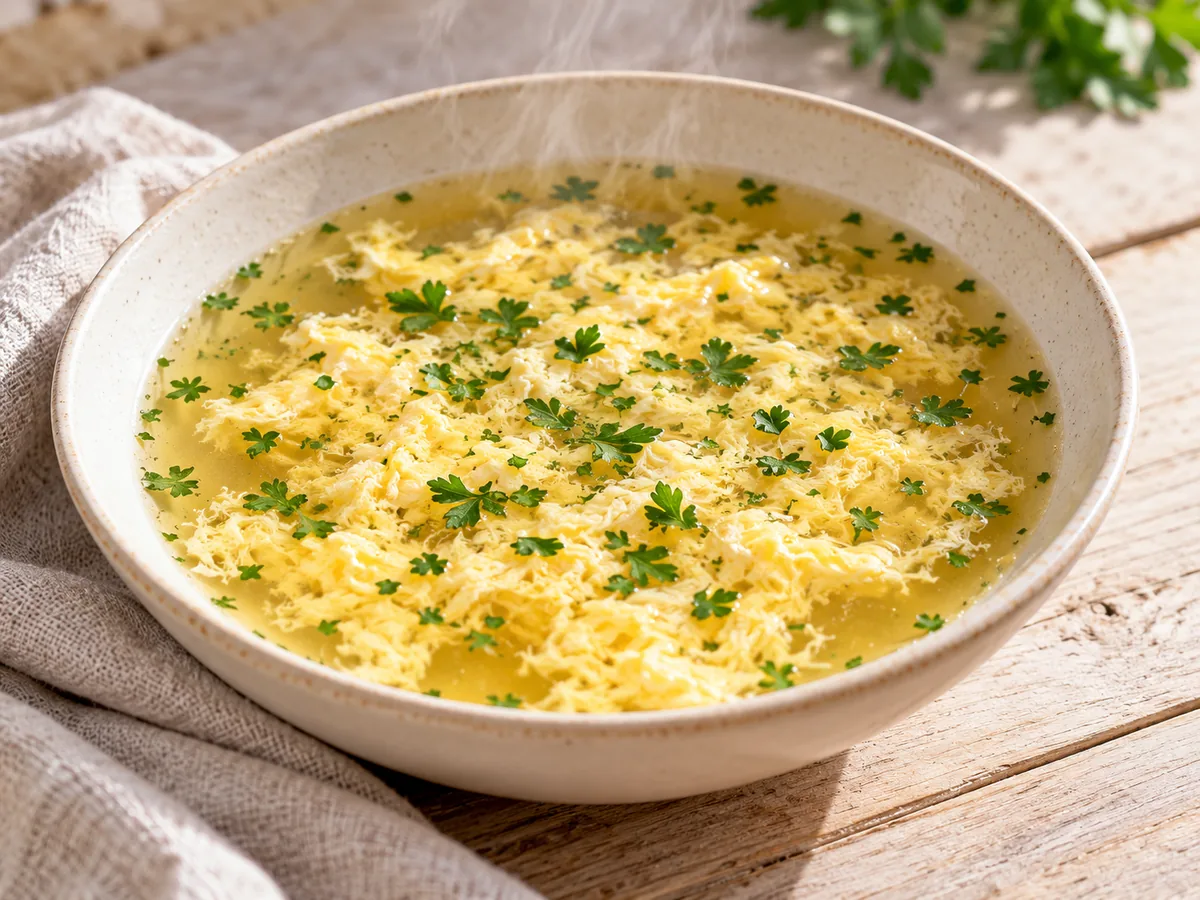
 AI-generated
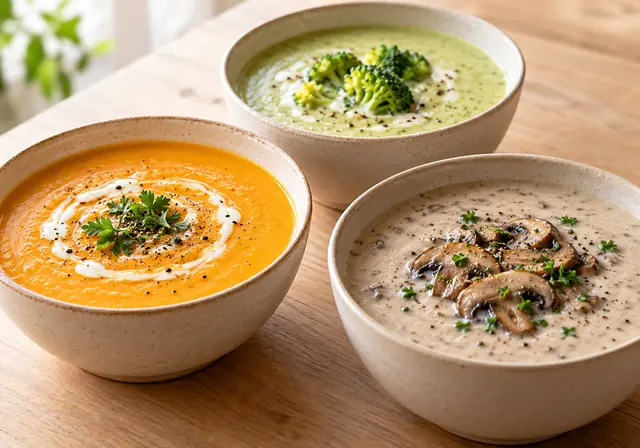
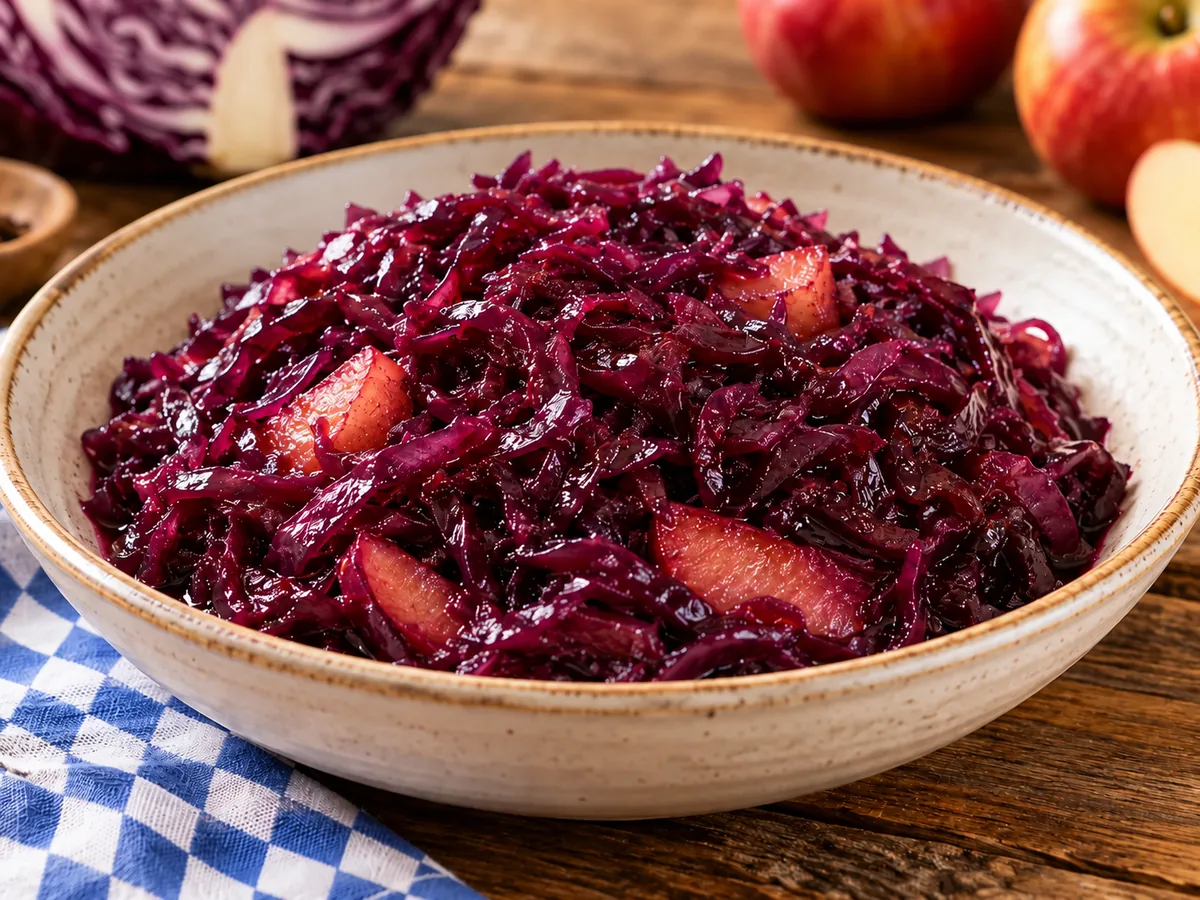



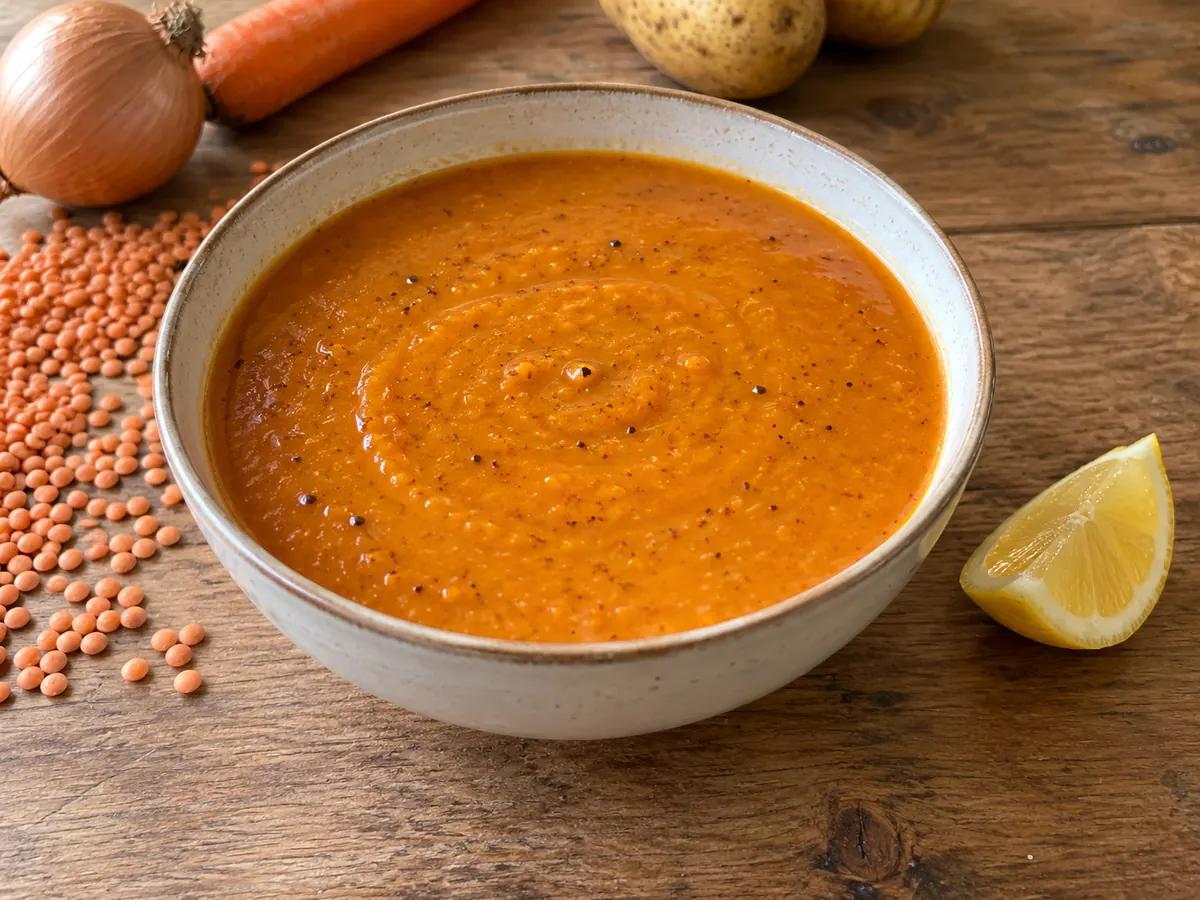
Winter
Winter recipes bring warmth and satisfaction.
Stews, roasts, hot drinks and comforting desserts suit days spent together indoors.
Winter meals serve different needs
Cold days often invite warming soups, hearty main courses and satisfying accompaniments, but winter food is not limited to rich, heavy dishes. Some people prefer light meals even in colder weather, and winter temperatures vary widely by region. The category can include vegetables, grains, pulses, baked foods, desserts and hot drinks that suit different appetites. Think about whether you want a comforting family dinner, a simple weekday meal or something for guests. The most appropriate choice responds to the situation rather than a fixed idea of winter cooking.
Balance richness with fresh flavours
Substantial winter dishes can be enjoyable, especially when the weather is cold, but a meal consisting only of rich components may feel repetitive. Fresh vegetables, mild accompaniments or a little acidity can create contrast. Root vegetables, stored produce and regionally available greens may have particular significance in winter kitchens, though availability differs by location. Grains and pulses can also play important roles in savoury meals. When choosing, consider how the whole plate works together and whether the portions fit the appetites of those eating.
Indoor gatherings and festive occasions
Winter in many communities includes family celebrations and seasonal holidays, while other households simply enjoy time together indoors. An informal gathering might call for one shared main course and a dessert, whereas a formal dinner may involve several courses. Neither format is universally superior. Think about guest numbers and whether food will be served at one time or over a longer event. A selection of contrasting flavours and textures is more useful than an oversized menu built entirely around familiar festive ingredients.
Winter is different around the world
The months associated with winter change between hemispheres, and a northern European winter differs considerably from a mild coastal one. Local harvests, storage traditions and cultural celebrations shape the foods people choose. It would be misleading to describe every winter table as containing the same ingredients or to assume that all households observe the same holidays. Regional food customs can offer inspiration, but descriptions should name their context where possible. Contemporary alternatives can also fit without needing a claim of historical authenticity.
Warm, welcoming and suitable for guests
For a family meal or gathering, consider the full range of preferences represented. Plant-based winter dishes can be substantial, but a vegetable-heavy appearance does not guarantee vegan suitability if dairy or animal-based stock is involved. Guests with gluten restrictions or allergies need accurate information about all components, including sauces and toppings. Hot drinks and desserts may contain allergens as well. Choose foods that match the occasion, provide genuine alternatives where needed and make winter dining comfortable rather than unnecessarily complicated.
Explore all recipes
ⓘ Ratings come exclusively from approved community contributions.