

 AI-generated



European
European cooking comprises many food traditions, from Mediterranean favourites to northern comfort dishes.
Bread, soups, mains and desserts vary from place to place.
European food cannot be defined by one menu
European cuisine is an umbrella category for many national, regional and family food traditions. The food of the Mediterranean differs in important ways from northern, eastern or central European cooking, and differences within those areas can be equally substantial. Bread, vegetables, grains, dairy, meat and fish all appear, but their roles vary. No single ingredient, cooking style or level of richness represents the continent. Rather than searching for a supposedly typical European plate, explore the ingredients, flavours and regional background of dishes that appeal to you.
Regional ingredients and everyday meals
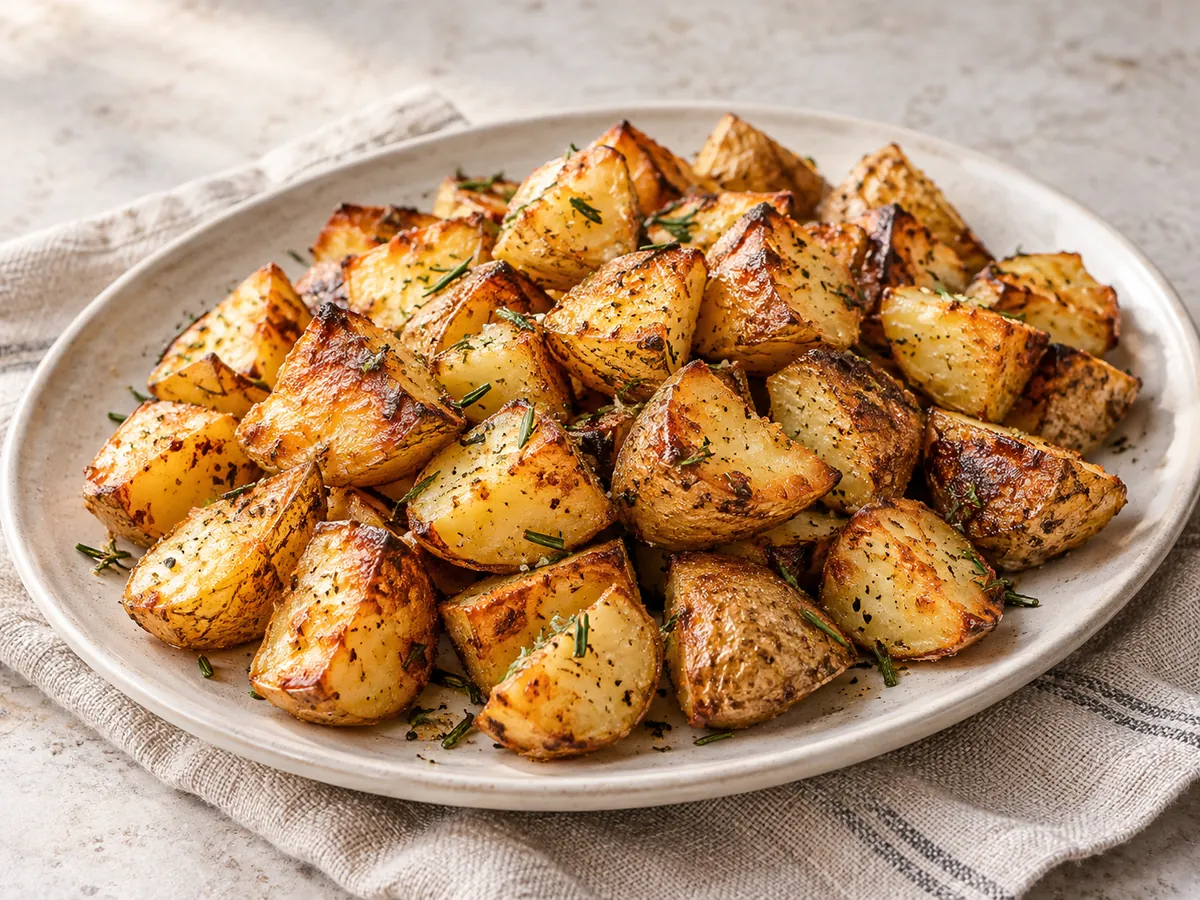
Grains and breads, potatoes, legumes, seasonal vegetables and locally available proteins feature across many European kitchens in different combinations. Some traditions emphasise olive oil and herbs, while others commonly use butter, fermented foods or heartier accompaniments. These patterns are broad observations rather than fixed rules. A coastal household may eat differently from one in a mountain or inland region, even within the same country. When selecting a meal, think about whether you prefer a light vegetable combination, a substantial grain-based dish or a savoury main with carefully chosen sides.
Flavours range from mild to assertive
European foods can be delicate, aromatic, smoky, sour, sweet, earthy or intensely savoury. Herbs, vinegars, fermented products and regional cheeses create very different impressions. It is inaccurate to assume that European cooking is always mild or that all dishes from one part of the continent share the same flavour profile. Compare the actual seasonings and supporting ingredients. A rich dish may pair well with a fresher side, while something lighter can become a complete meal with grains or legumes. The desired contrast is more informative than the name of the continent.
Eating occasions shape the selection
Breakfast, a weekday lunch, a leisurely family dinner and a festive gathering call for different kinds of food. European traditions encompass both small, practical meals and more formal multi-course occasions. When planning, consider the portions, whether dishes will be shared and the preferences of the people eating. A varied menu does not need to combine unrelated national specialities simply to appear international. It can instead focus on complementary tastes and textures. Guests with allergies or dietary restrictions still need full ingredient information, whatever regional label is attached.
Explore with geographical precision
Calling a dish European can be a useful starting point, but a specific region often conveys much more. Individual areas have culinary identities formed through agriculture, trade, migration and cultural change. Many familiar foods cross borders and have more than one local interpretation. Claims that one country exclusively invented or represents a food should therefore be handled carefully. Use this category to discover contrasting traditions and then follow the more specific regional collections for additional context. Contemporary variations can sit alongside established dishes without pretending that every version is an unchanged historical original.
Explore all recipes
ⓘ Ratings come exclusively from approved community contributions.