

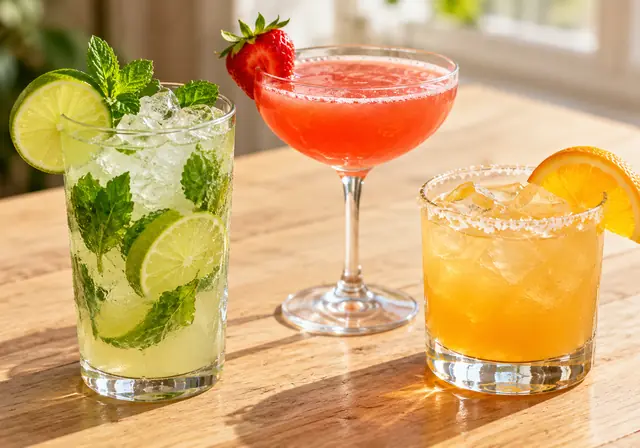
 Cocktails
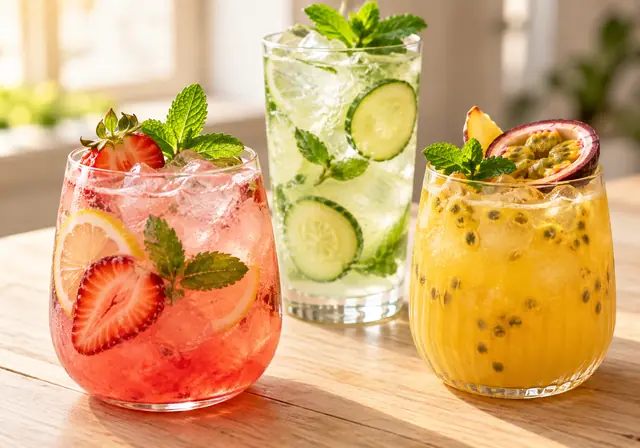 Mocktails
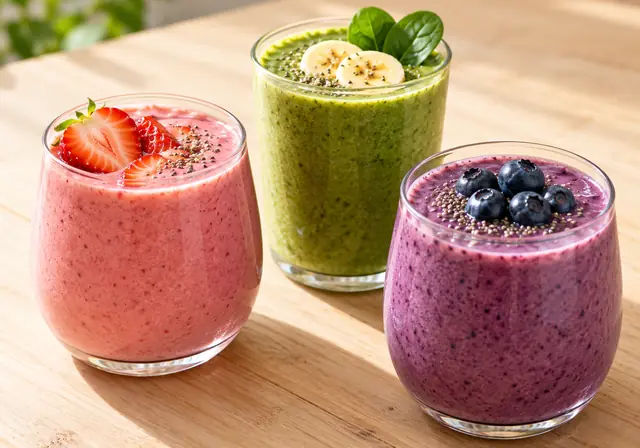 Smoothies
 Coffee
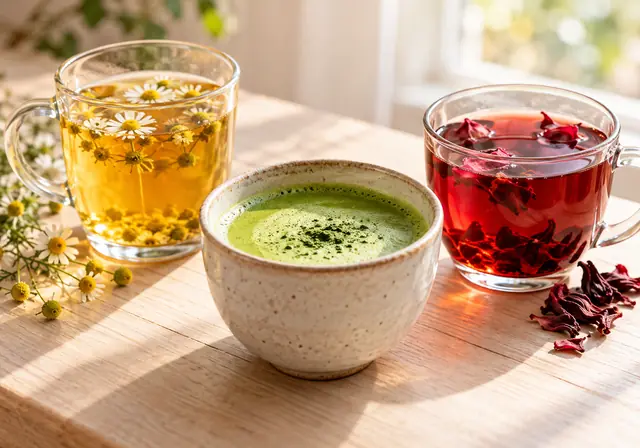 Tea
 Juices
 Lemonades
 Aperitifs
 Milkshakes
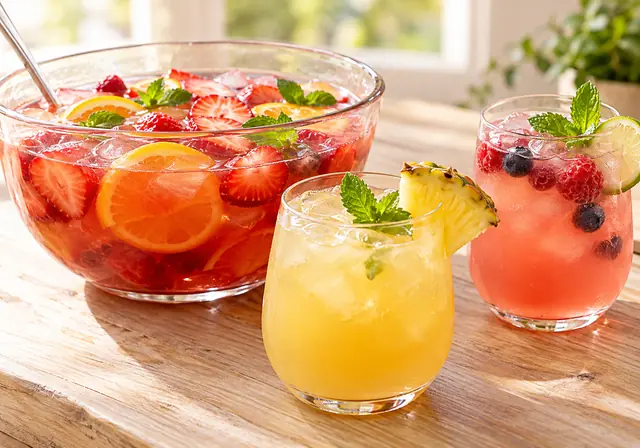 Punches
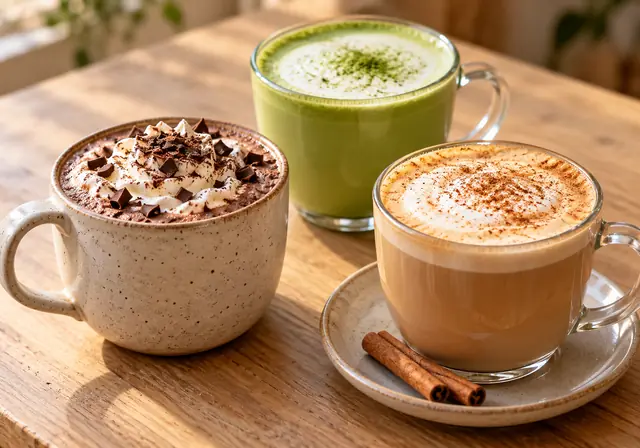 Hot drinks
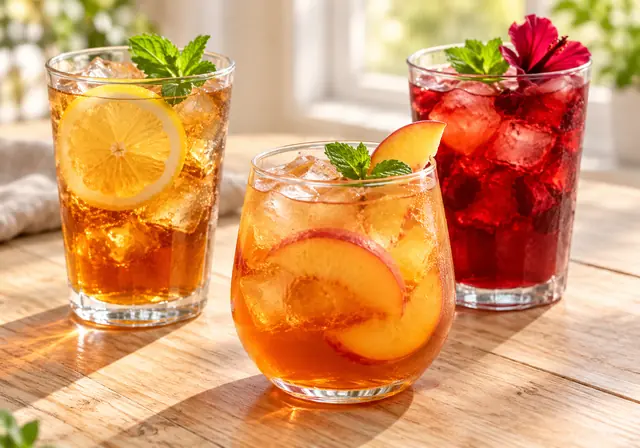 Iced tea
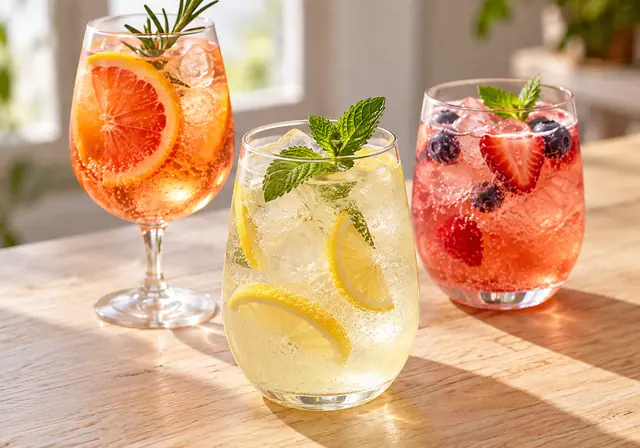 Spritzers
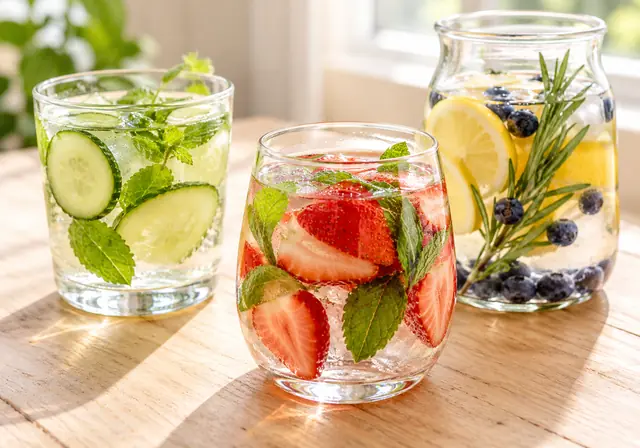 Infused water
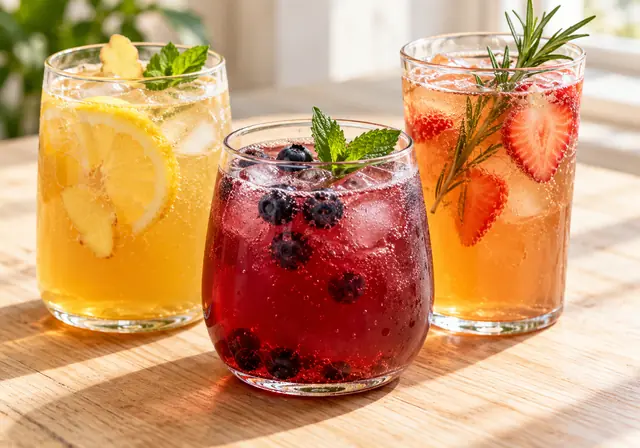 Kombucha
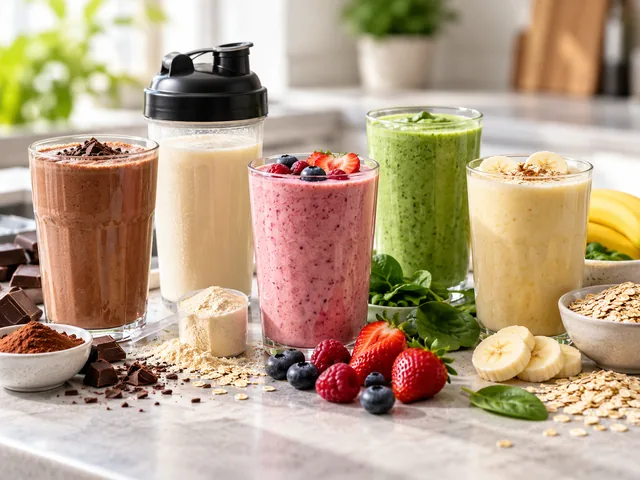 Protein shakes
 AI-generated
Subcategories
With alcohol
Alcoholic drinks are part of some adults' celebrations.
Their ingredients and actual alcohol content should be clearly understood.
Understand what an alcoholic drink contains
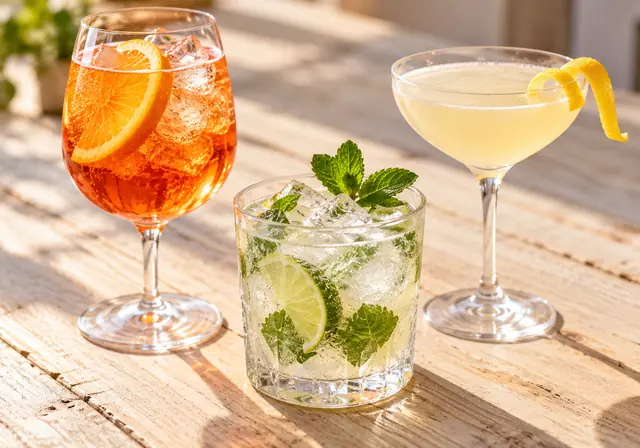
Alcoholic beverages can differ greatly in flavour, strength and serving size. Fruit-forward, bitter, aromatic and richly flavoured drinks should not be grouped together as though they offer one experience. Their appearance is also not a reliable measure of alcohol content. A sweet or colourful cocktail can still contain substantial alcohol, while a strongly flavoured drink may have a different strength. The appropriate starting point is accurate ingredient and alcohol information, not a general impression of how mild a drink tastes. For adults who choose to drink, understanding the actual composition is central to an informed choice.
Flavour and alcohol strength are separate
Sweetness, acidity, bitterness and aroma can make a beverage seem lighter or more intense without changing its true alcohol content in a predictable way. A drink that tastes gentle may still be strong. Portion size adds another important distinction, because the amount of alcohol consumed depends on both strength and volume. The category should explain those differences rather than encourage judging alcohol by colour or taste alone. Clear recipes and serving information are more responsible than claims that particular flavour combinations make a beverage harmless or easier for everyone to tolerate.
Consider everyone at a shared gathering
A gathering should offer appealing alcohol-free alternatives without pressure to drink. Some guests may be driving, pregnant, taking medication or avoiding alcohol for other reasons. People should not have to disclose their reasons. If alcoholic beverages are available, accurate labelling and separation from non-alcoholic choices can help prevent confusion. The tastes of the guests and the broader meal still matter, but no party requires alcohol to be welcoming. Alcoholic drinks should only be served in accordance with applicable age restrictions and without implying that moderate or occasional drinking is free from risk.
Ingredients and additional restrictions
Alcohol is not the only characteristic to check in a drink. Cocktails and other mixed beverages can contain dairy, eggs, nuts or additional allergens, while some drinks include caffeine. Fermented ingredients may have other properties that matter to individuals. A general alcoholic-beverage label does not tell you whether a drink meets any separate dietary requirement. The entire composition and declared strength should be reviewed, especially when serving other people. Clear information enables informed choice and reduces the risk of mistaking a visually similar alcoholic drink for its alcohol-free counterpart.
What should adults consider before choosing?
Begin with the actual alcohol content and serving size, then decide whether the flavour appeals to you. Sweet, tangy and bitter drinks can all vary in strength, and none should be described as inherently safe because of its taste. The situation matters: driving, certain medical conditions, medicines and pregnancy call for particular caution or avoidance. It is always reasonable to choose a non-alcoholic option instead. The purpose of the category is to describe beverages accurately, not to recommend drinking as a necessary part of socialising or as a way to improve wellbeing.
Alcohol carries health risks
Alcohol consumption involves health risks, and no recipe page should promise that a particular drink is beneficial or completely safe. Risks can depend on the amount consumed and individual circumstances, among other factors. People who need to avoid alcohol should have clear alternatives and should not rely on sensory impressions or a broad marketing label. For anyone making health decisions about alcohol, qualified public-health guidance is more appropriate than a beverage description. A responsible category focuses on verifiable content, truthful serving information and respect for those who do not drink.
Explore all recipes
ⓘ Ratings come exclusively from approved community contributions.