
 AI-generated

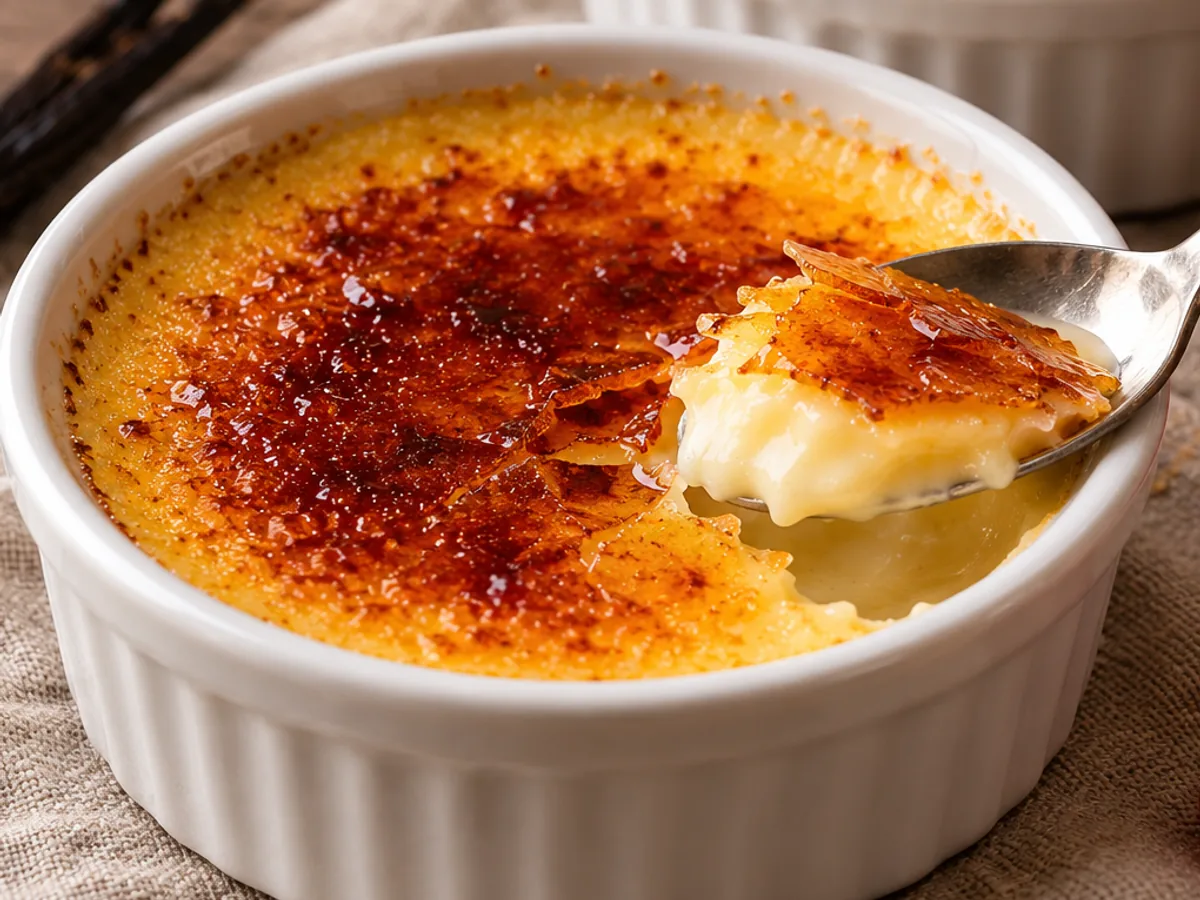
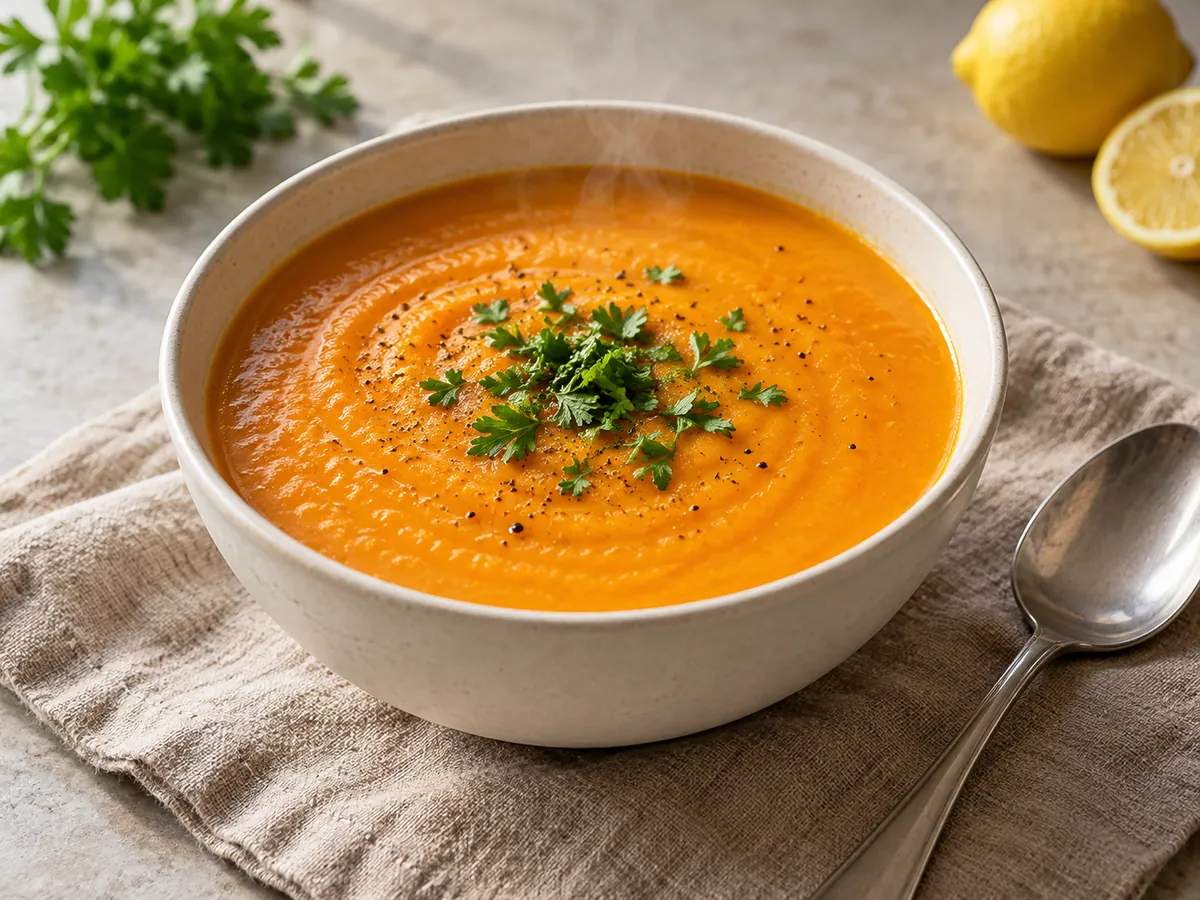
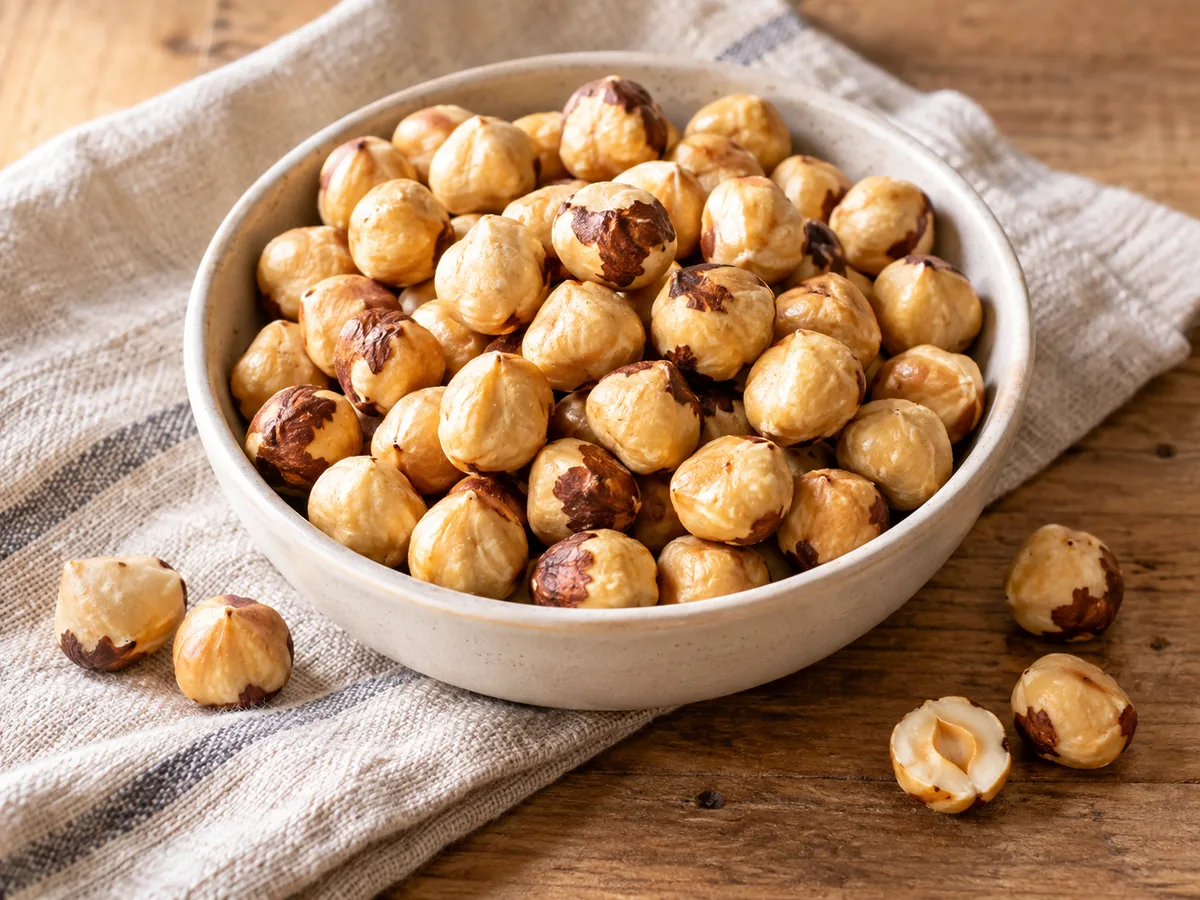
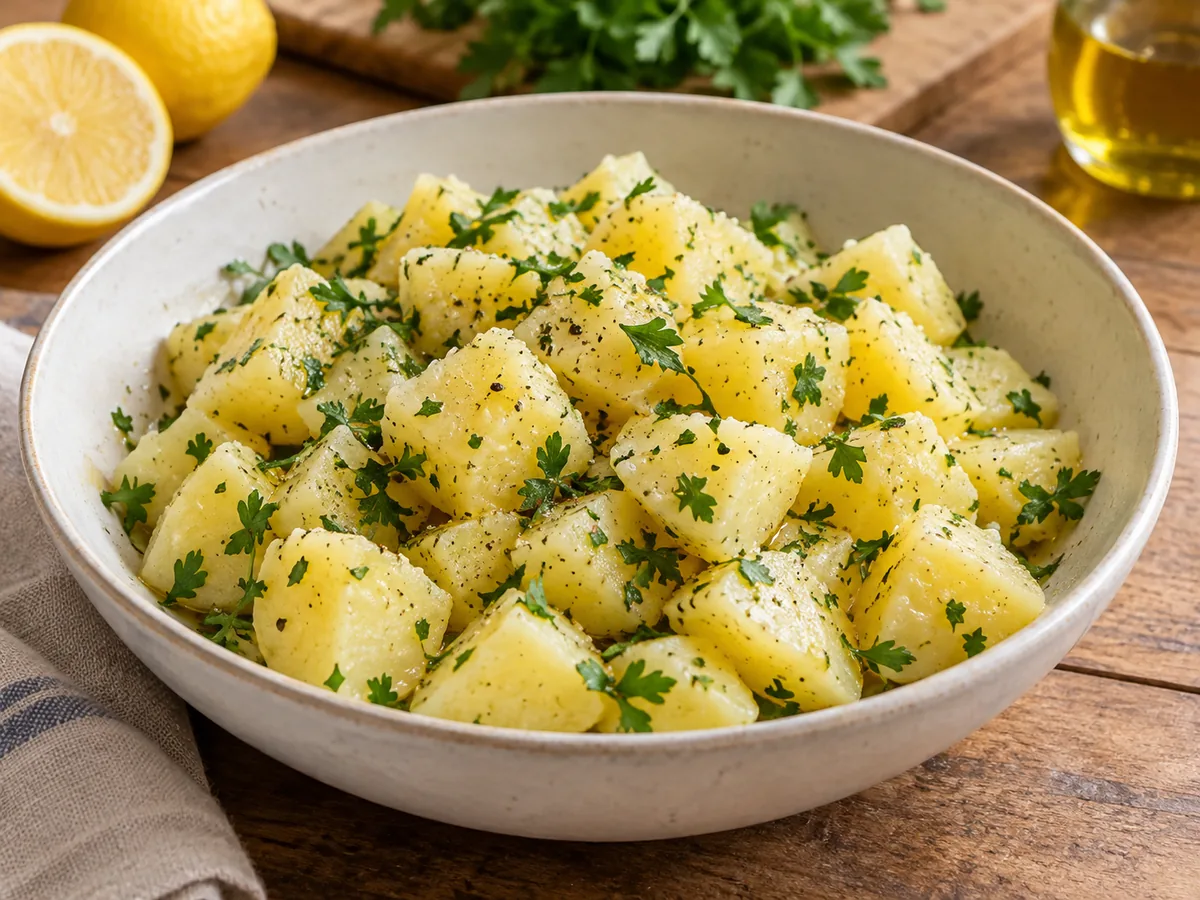
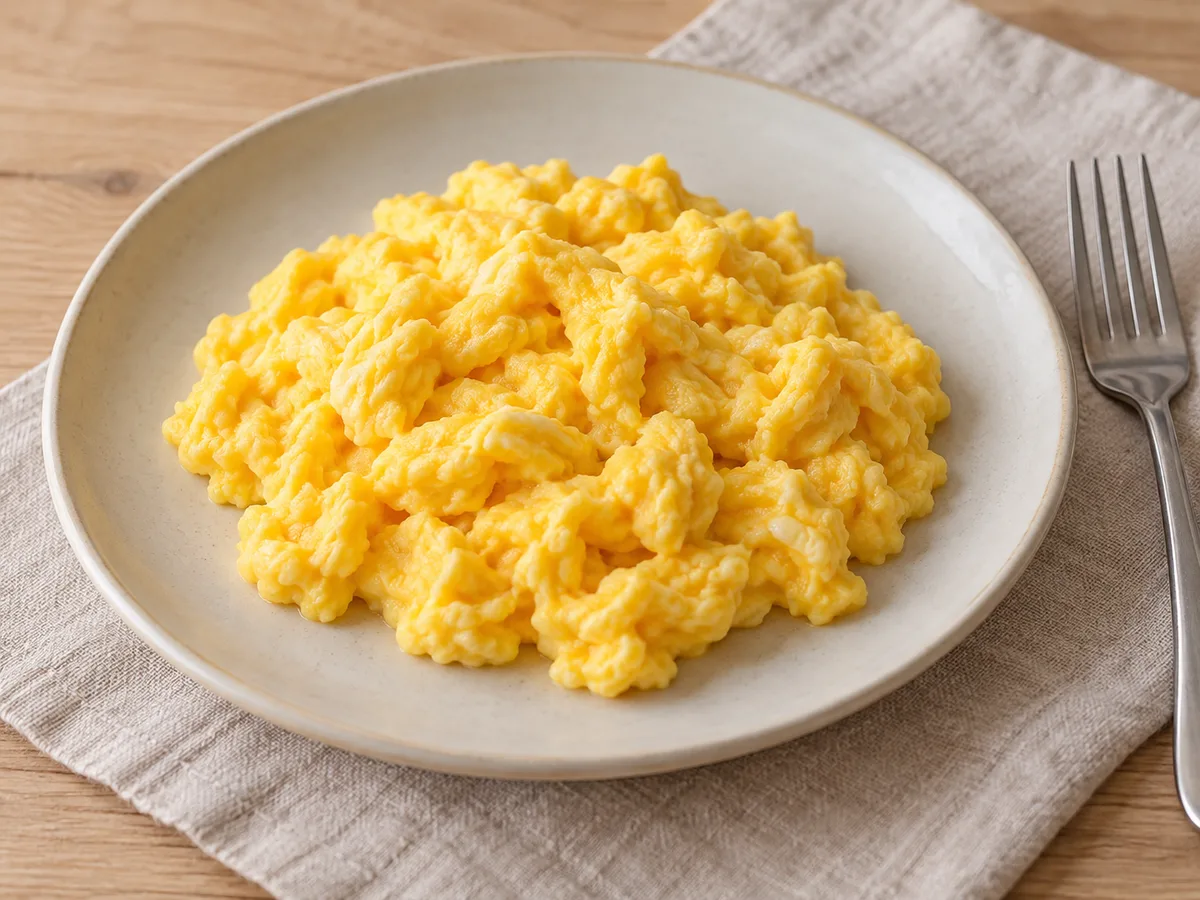
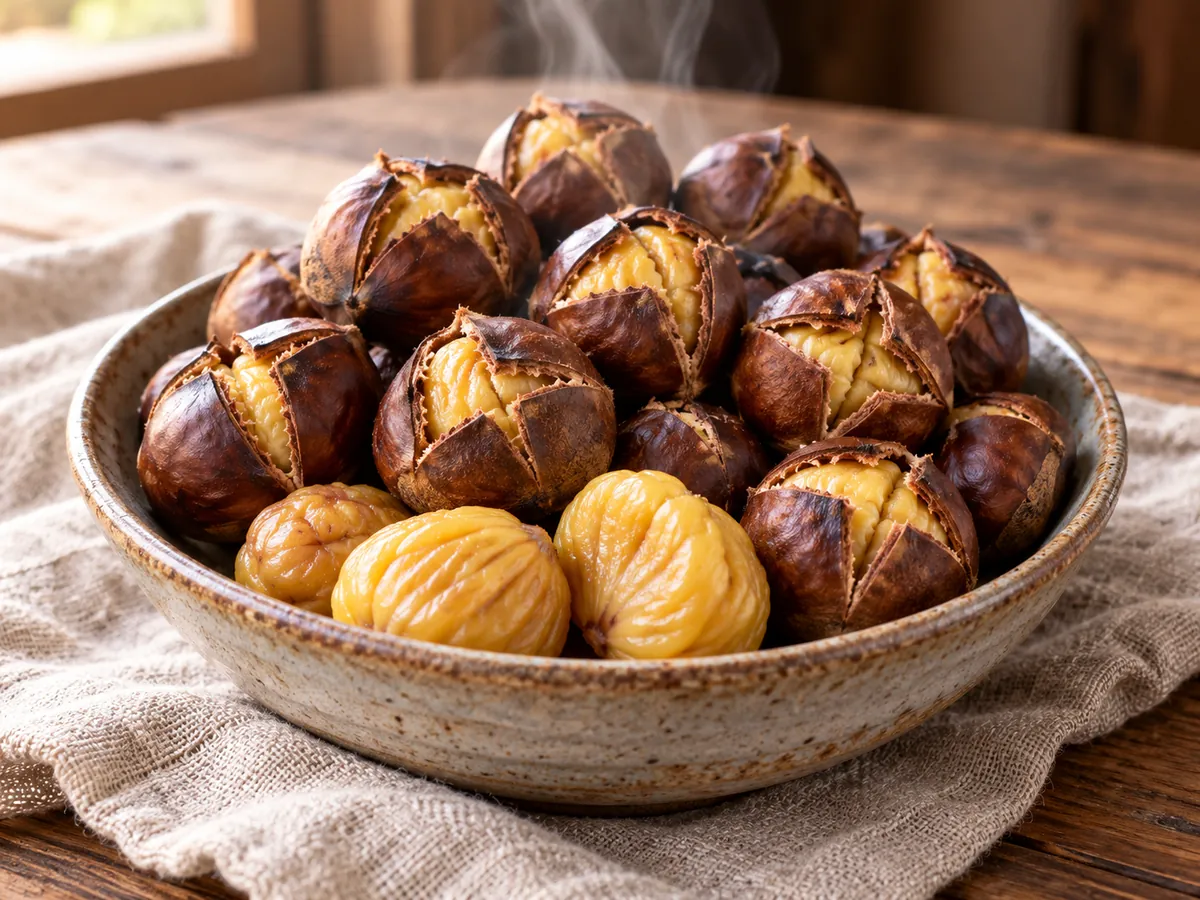
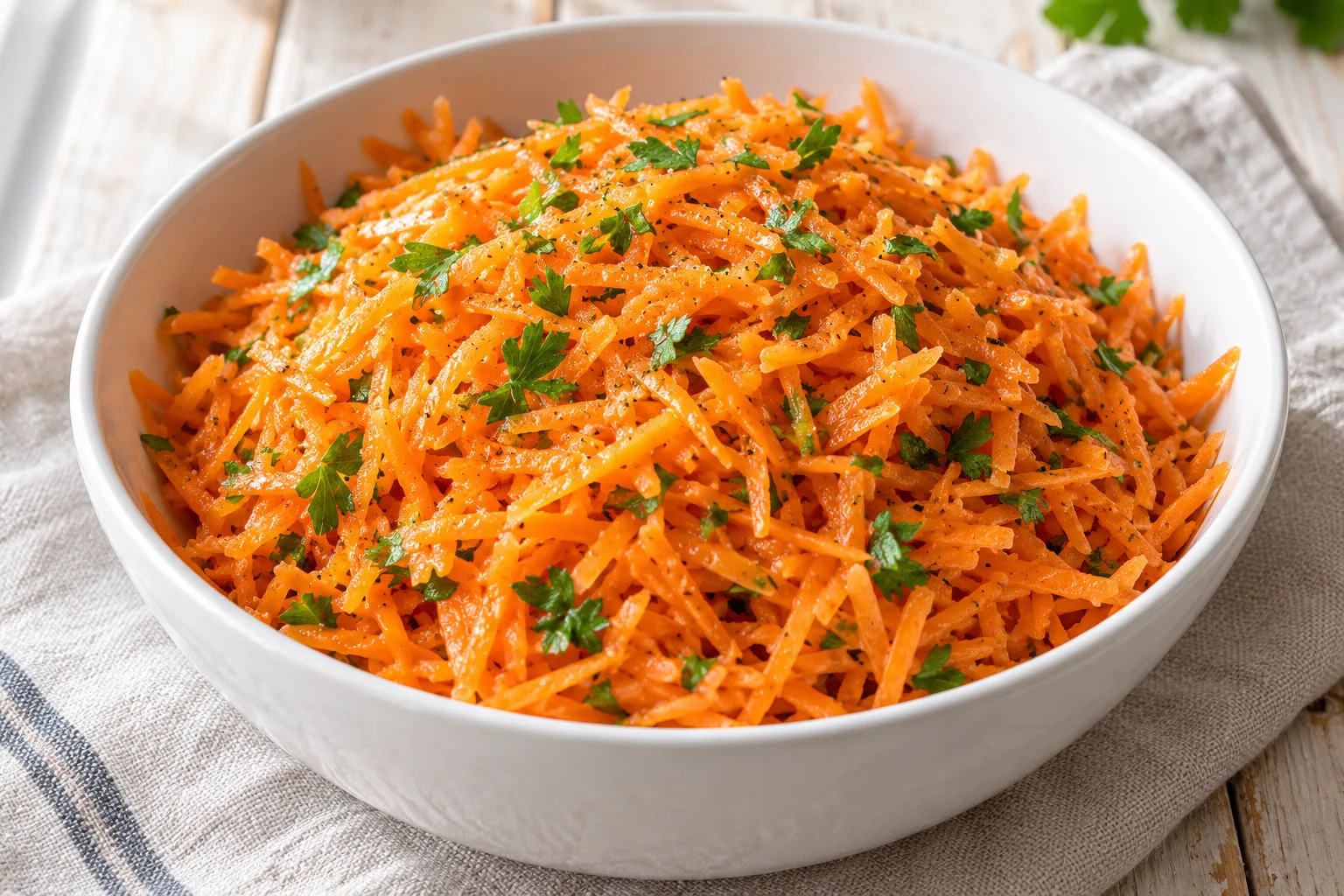
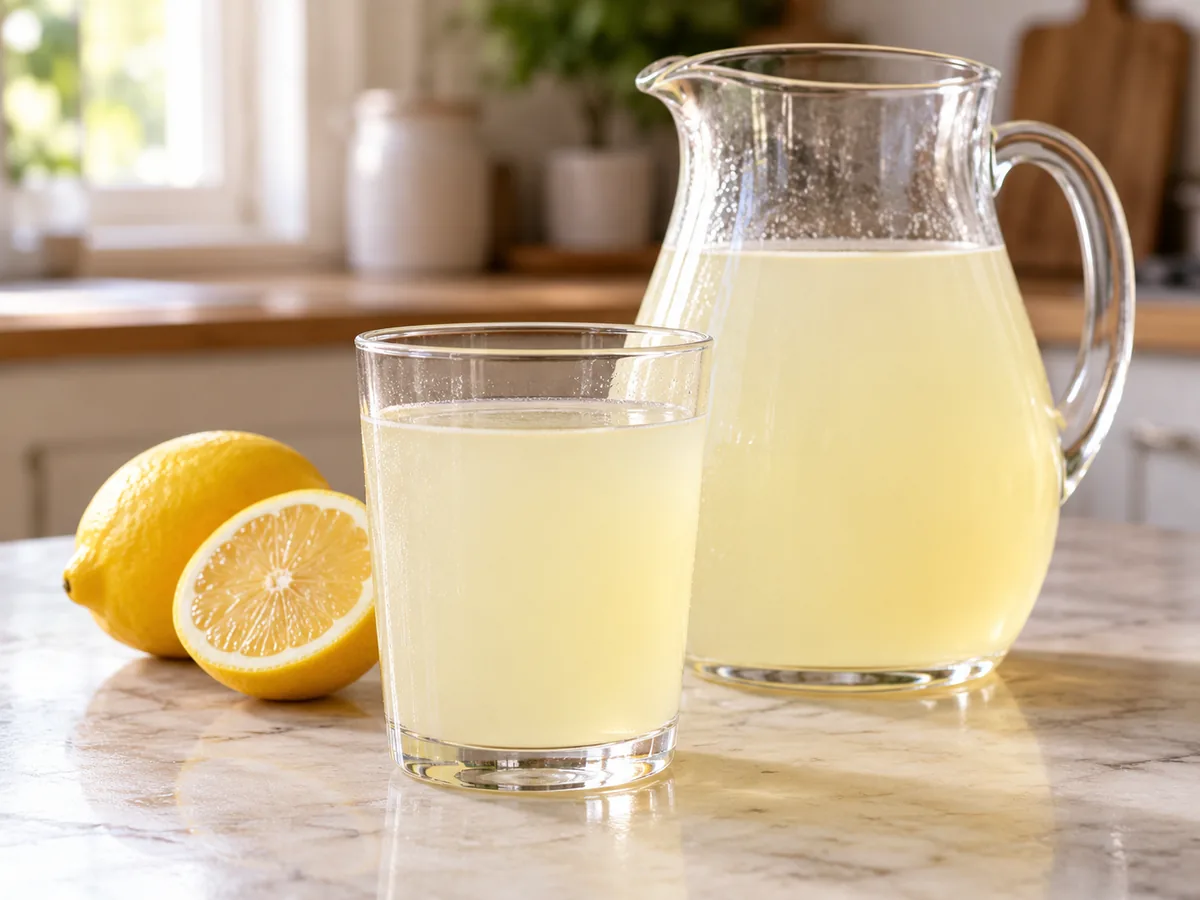
Gluten-free
Gluten-free recipes are intended for people who avoid gluten-containing grains.
Ingredient labels and possible cross-contact still need attention.
Gluten-free is a specific ingredient requirement
Gluten is associated with wheat, barley, rye and related grains. A gluten-free recipe must be evaluated through the actual ingredients and, where relevant, the products used. The restriction can be particularly important for people with coeliac disease, for whom cross-contact also matters. A food that looks like it should contain no flour may still include gluten in sauces, seasonings or other components. When browsing gluten-free dishes, examine the entire composition rather than treating a category tag as a medical guarantee. The goal is transparent information and useful choice, not a promise that every home or kitchen environment is safe.
Naturally gluten-free ingredients offer variety
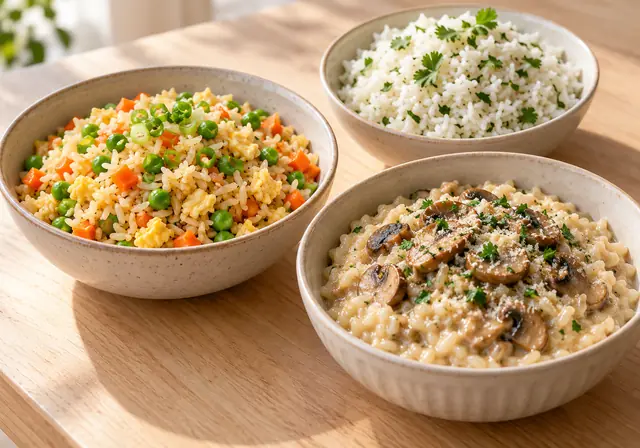
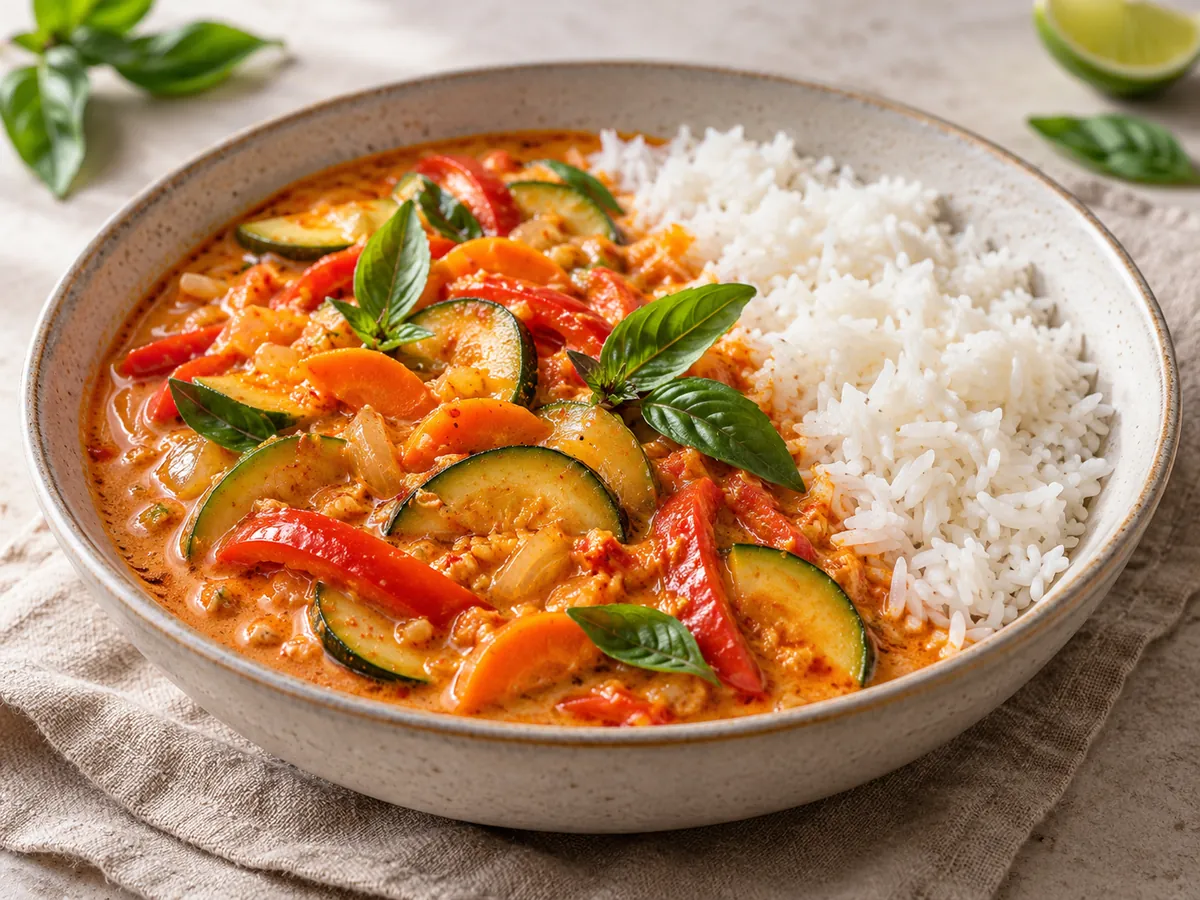
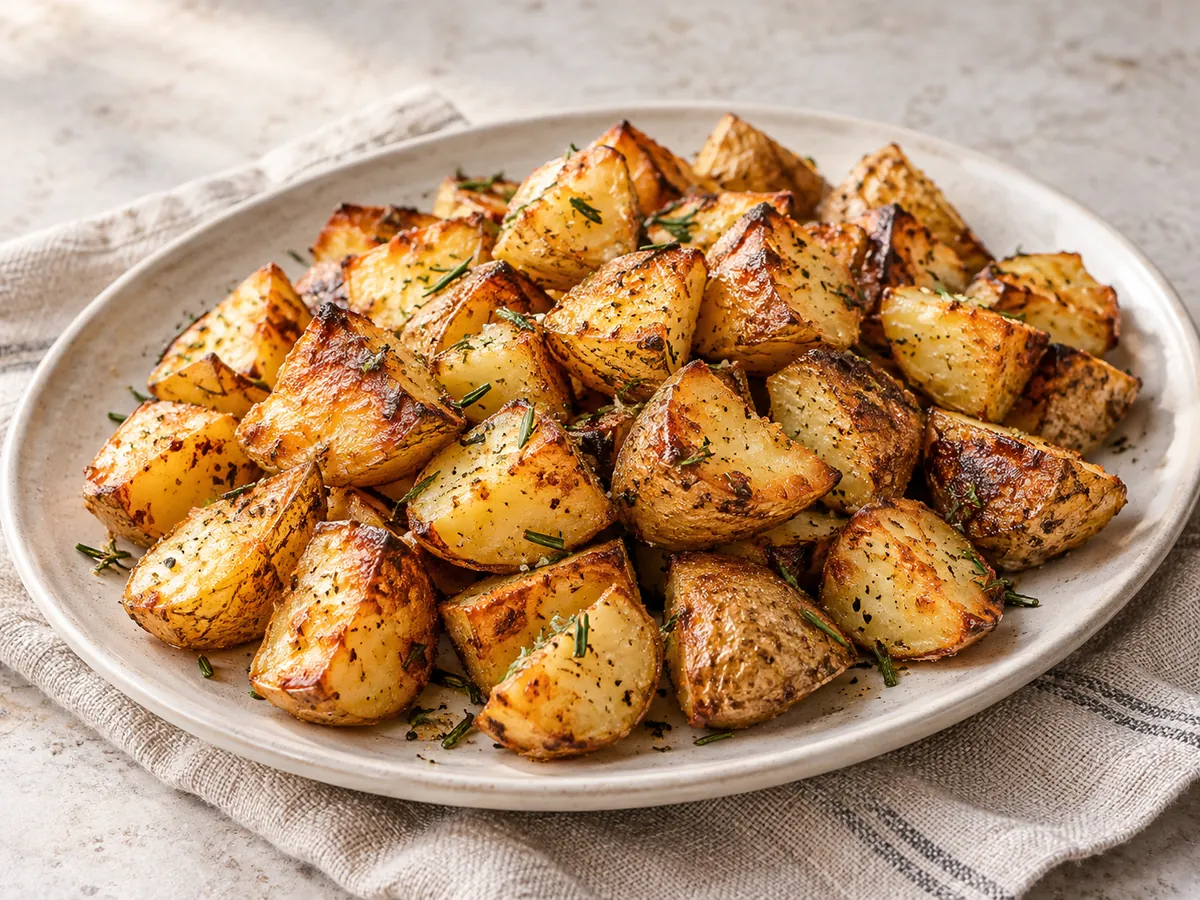
Rice, potatoes and various other foods are naturally free from gluten, and they appear in a wide range of savoury meals and desserts. Their presence can make a dish promising for someone seeking gluten-free choices, but it does not automatically determine the suitability of the entire meal. Prepared sauces, toppings and packaged components can change the picture. Different grains and starches also bring their own textures and flavours rather than acting as identical replacements for wheat. The category can introduce that culinary range while encouraging readers to check complete ingredients and appropriate product certification.
Oats and alternative grains need attention
Not all oats are appropriate for people with coeliac disease, because of possible contamination and individual tolerance. Products labelled gluten-free require appropriate standards, and specific dietary advice may be relevant. Alternative flours and grains also differ in taste and baking qualities; replacing wheat is not simply a question of changing the name of the flour. When selecting breakfast foods, baked goods or other grain-based recipes, look for the exact ingredients rather than assuming that dark, seeded or wholegrain foods contain no gluten. Wholegrain and gluten-free describe different properties and should not be confused.
Plan gluten-free food for guests carefully
If someone has coeliac disease or another medically relevant restriction, ask about their requirements before choosing what to serve. A dish prepared with naturally gluten-free ingredients can still be affected by cross-contact through shared tools, surfaces or products. Optional sauces and side dishes deserve the same attention as the main food. A broad online category is a starting point for discovering recipes, not a certification of the final meal. The complete ingredient list, verified products and the circumstances of preparation all matter. Do not substitute assumptions or informal labels for reliable information.
Is gluten-free automatically better for everyone?
There is no basis for treating gluten-free as a universal nutritional advantage. People follow the restriction for different reasons, and a gluten-free cake remains a sweet baked good rather than becoming a balanced meal solely because it excludes gluten. The full composition determines the food's role. Someone with symptoms or a suspected medical condition should seek qualified guidance rather than self-diagnosing from recipe labels. The category should communicate its meaning clearly and avoid exaggerated health promises, while still offering appealing choices across mains, side dishes, breakfasts and desserts.
Gluten-free baking has its own possibilities
Baking without conventional wheat, rye or barley can involve different combinations of flours, starches and other ingredients. These combinations create varied textures, from soft cakes to crisp biscuits and breads with distinct crumbs. They are not all interchangeable, and a product's dietary suitability still depends on labelling and cross-contact controls. A gluten-free baked good may contain eggs, dairy or nuts, so it should not automatically be described as vegan or allergy-free. The most useful category information distinguishes the exact gluten requirement from other independent preferences and explains the range of suitable food rather than promising one perfect substitute.
Explore all recipes
ⓘ Ratings come exclusively from approved community contributions.