

 AI-generated
 AI-generated
 AI-generated
 AI-generated
 AI-generated
 AI-generated
 AI-generated
 AI-generated
 AI-generated
 AI-generated
 AI-generated
 AI-generated
 AI-generated
 AI-generated
 AI-generated
 AI-generated
 AI-generated
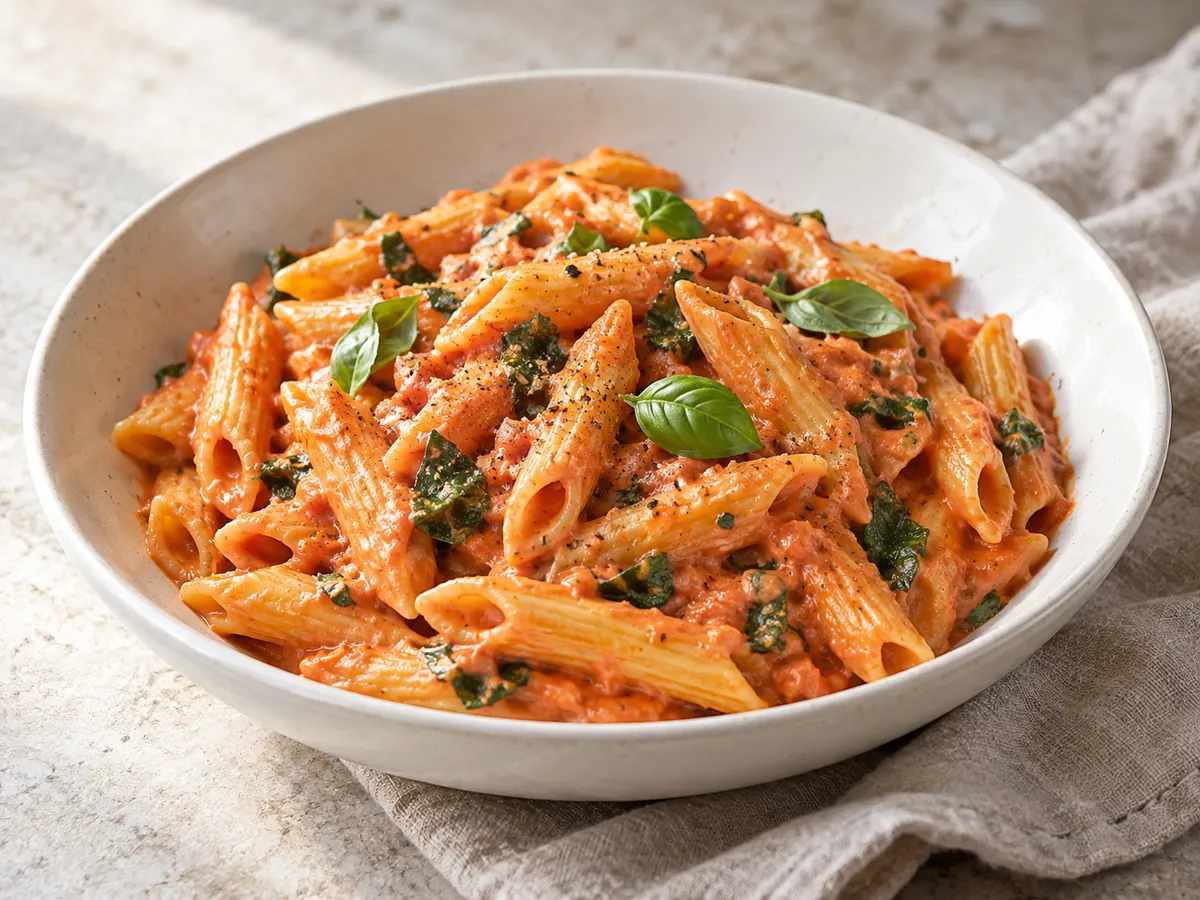 AI-generated
 AI-generated
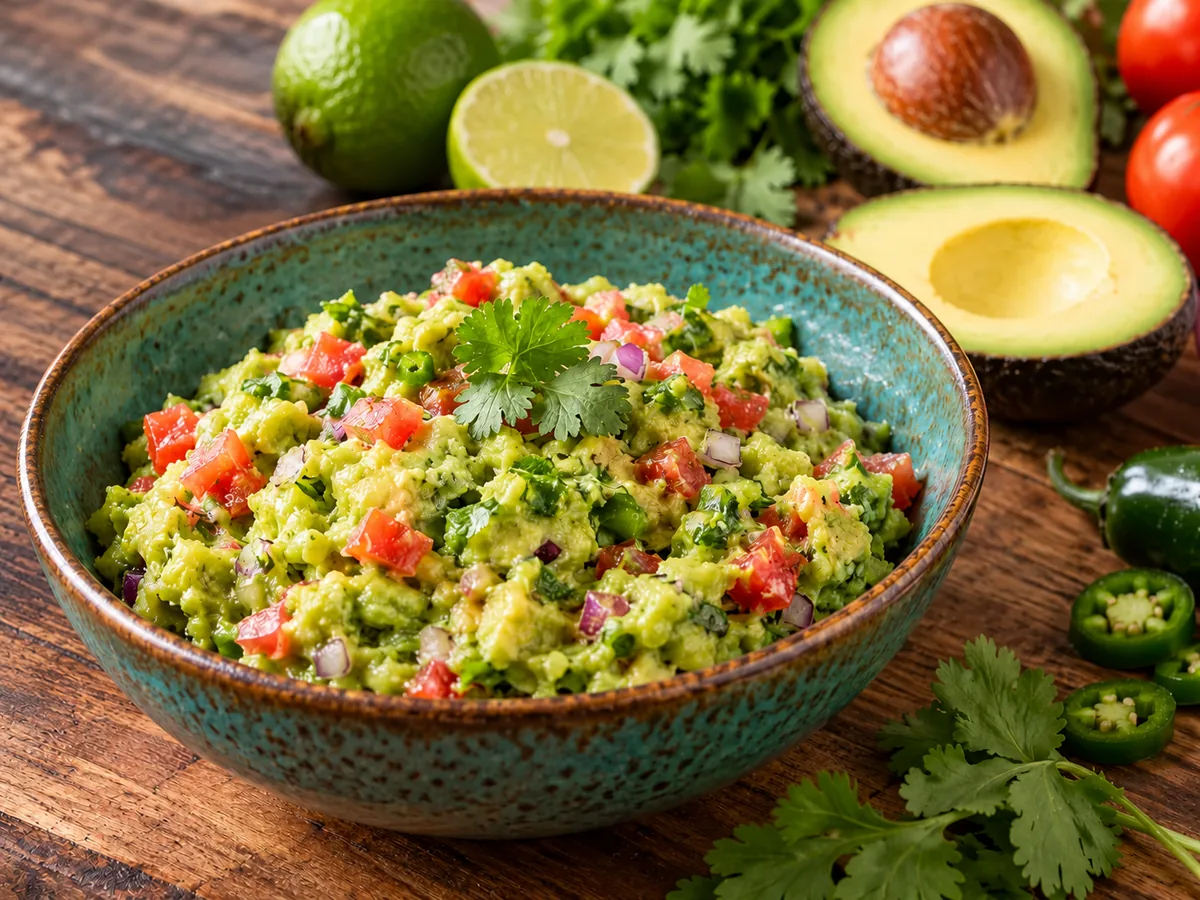 AI-generated
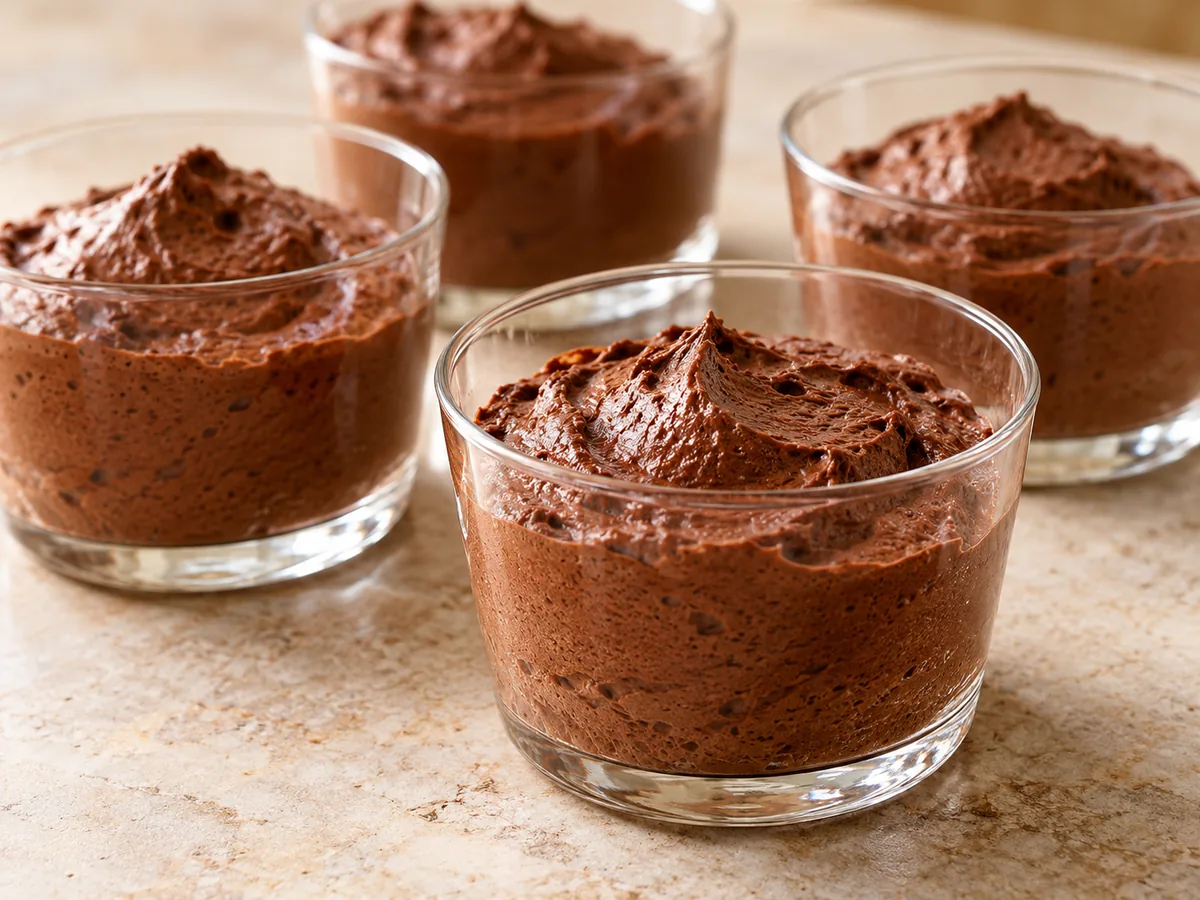 AI-generated
 AI-generated
 AI-generated
 AI-generated
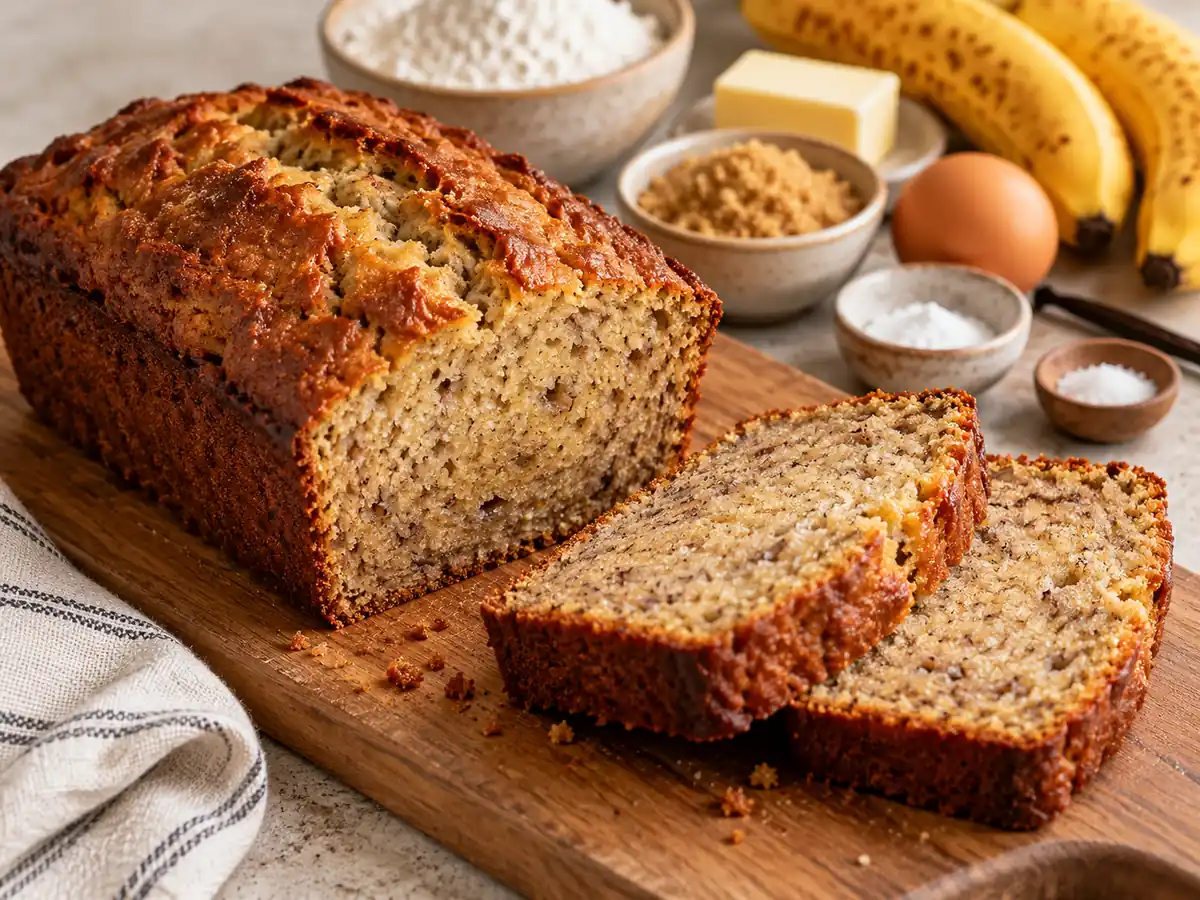 AI-generated
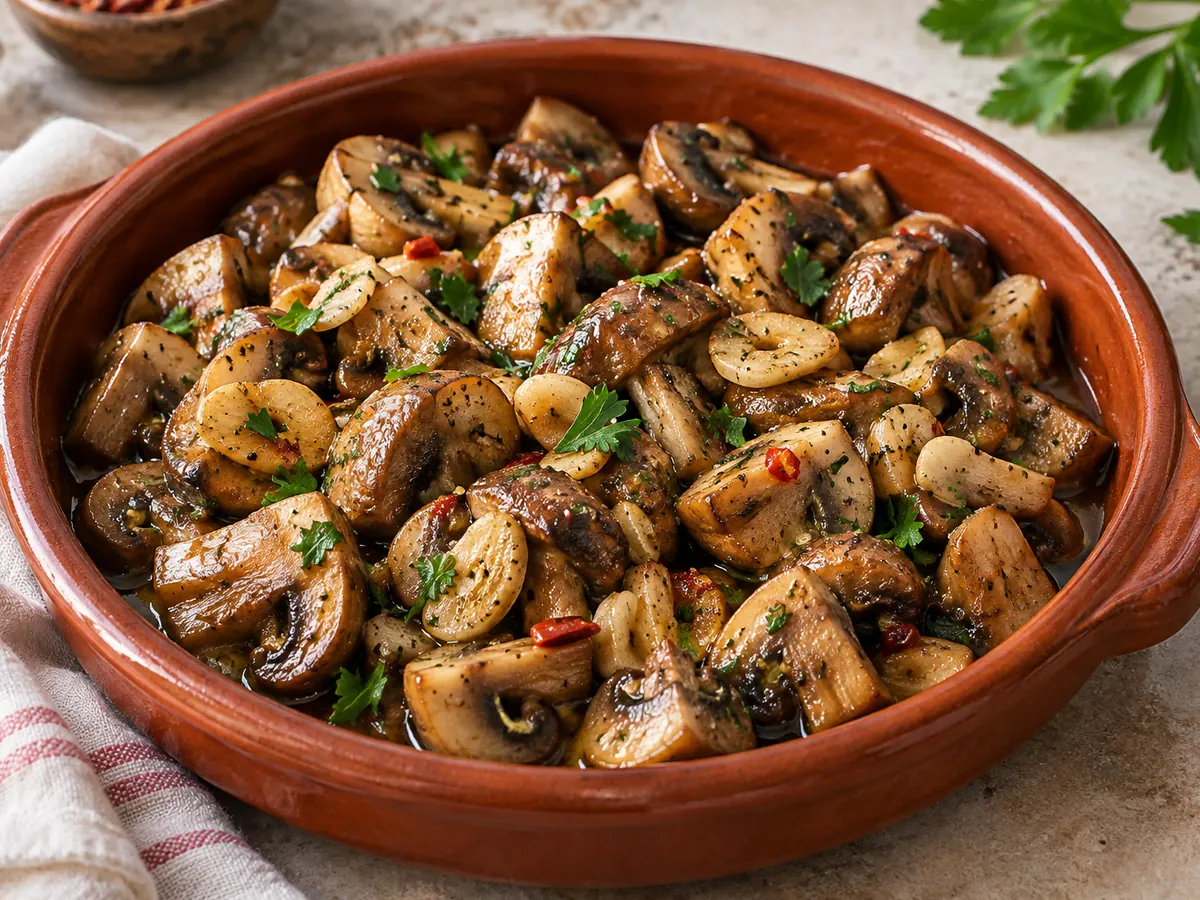 AI-generated
 AI-generated
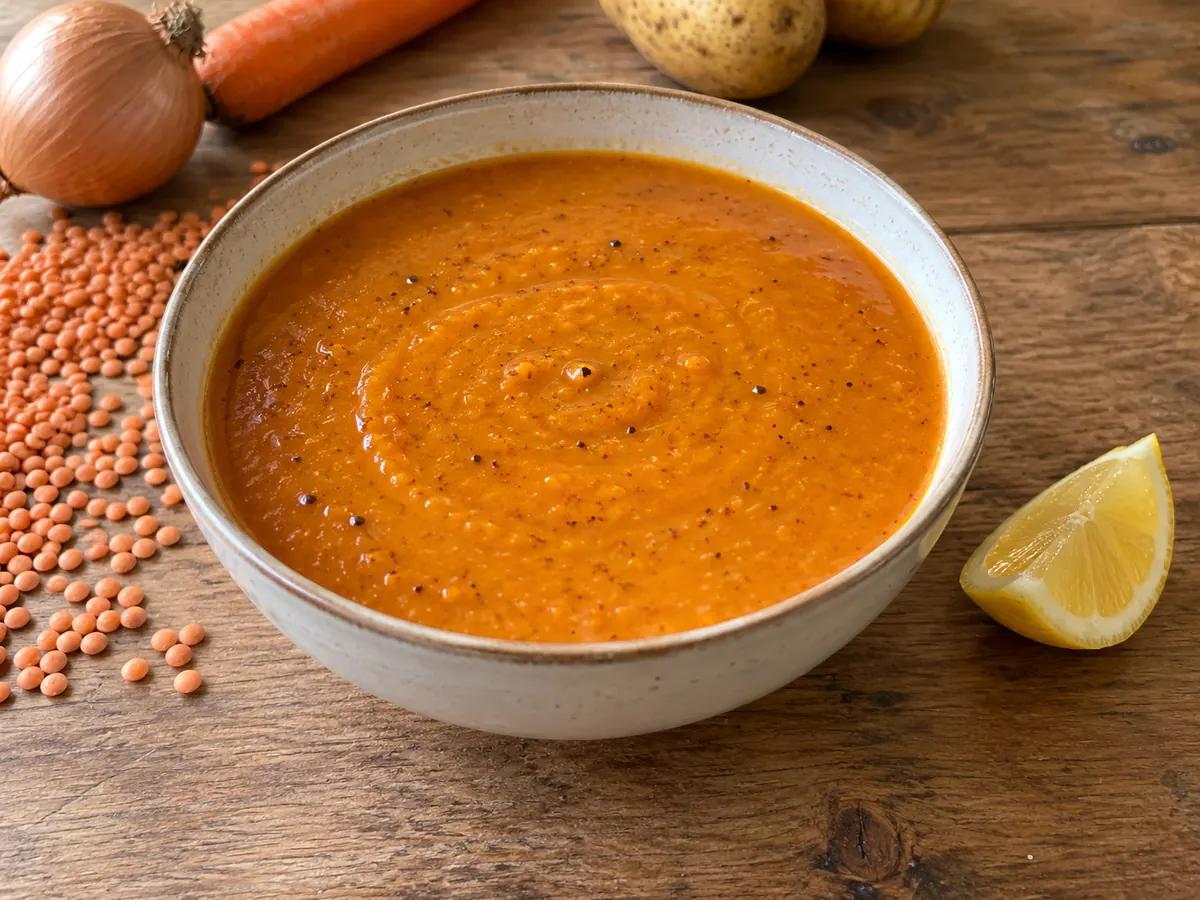 AI-generated
 AI-generated
 AI-generated
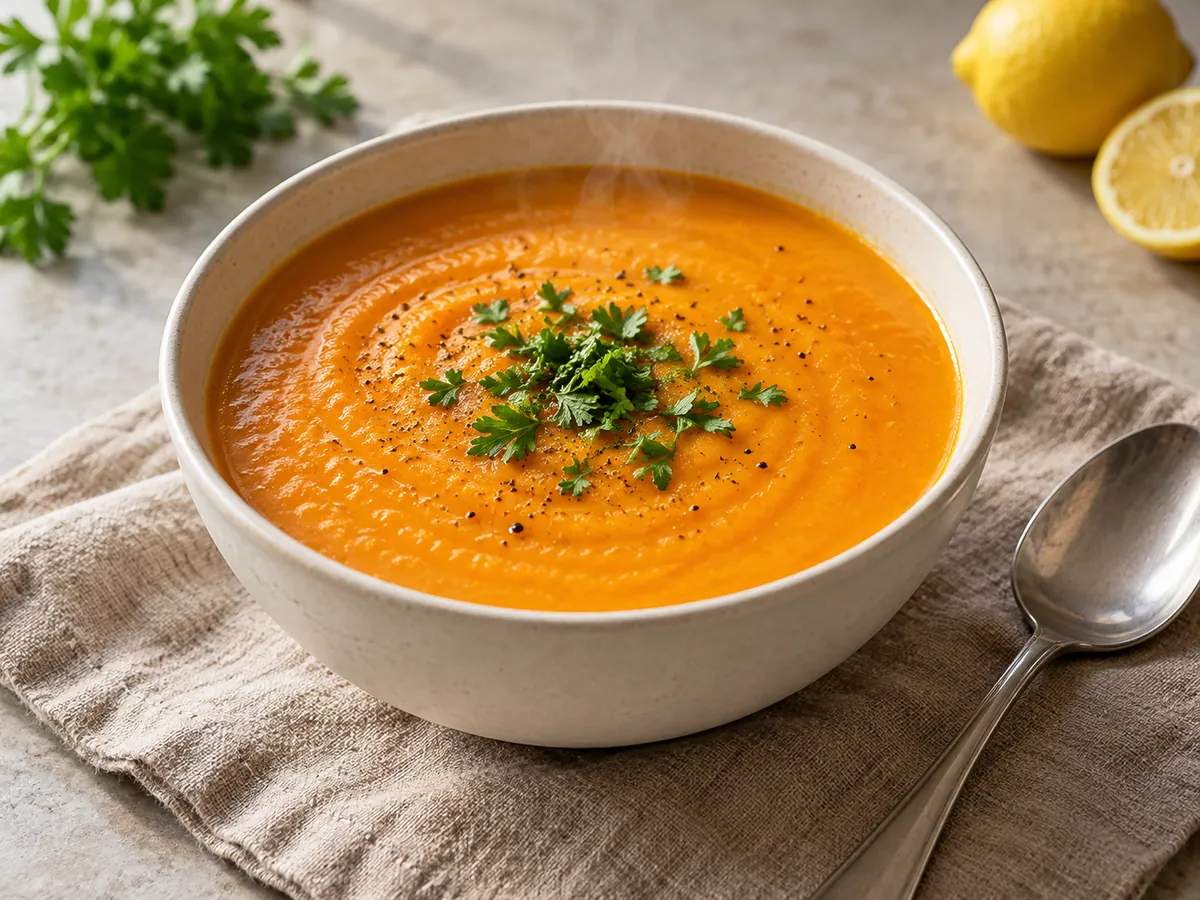 AI-generated
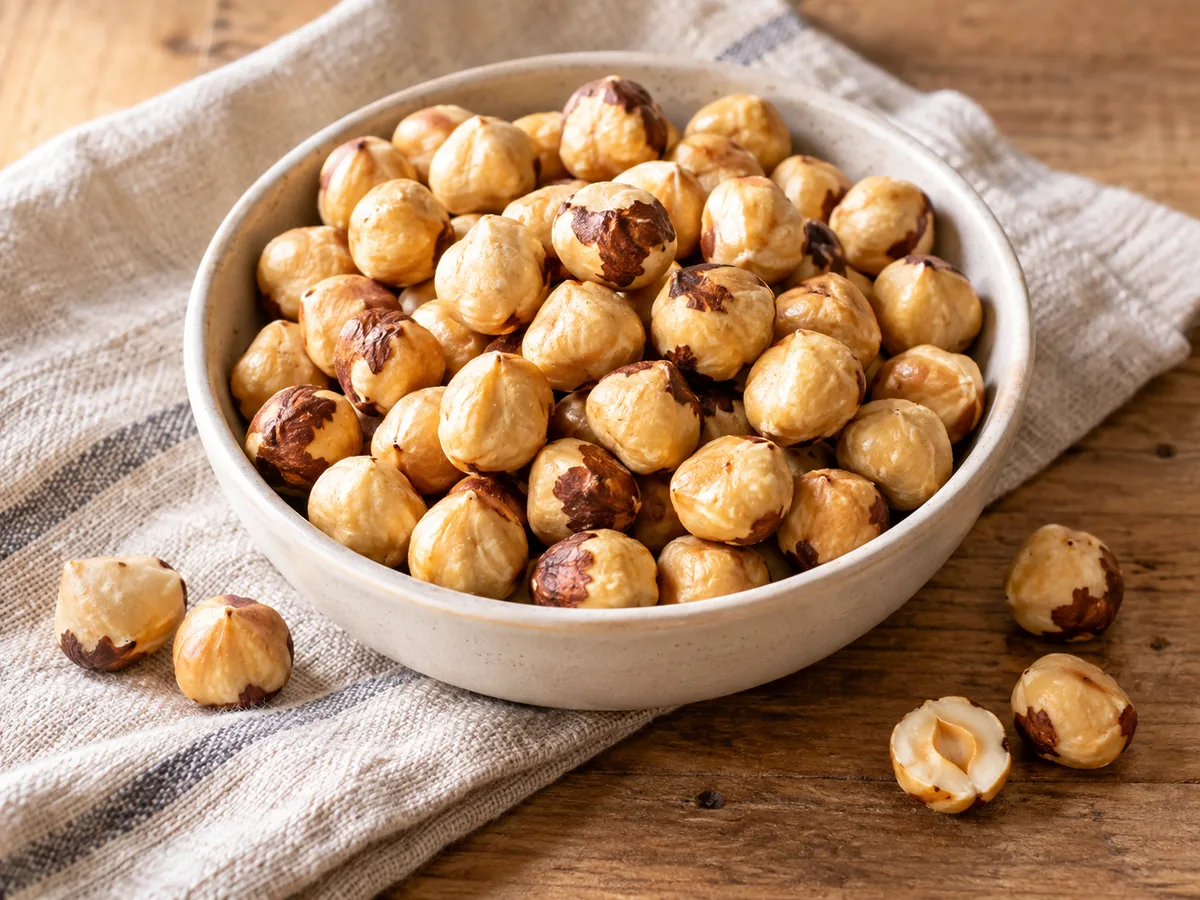 AI-generated
 AI-generated
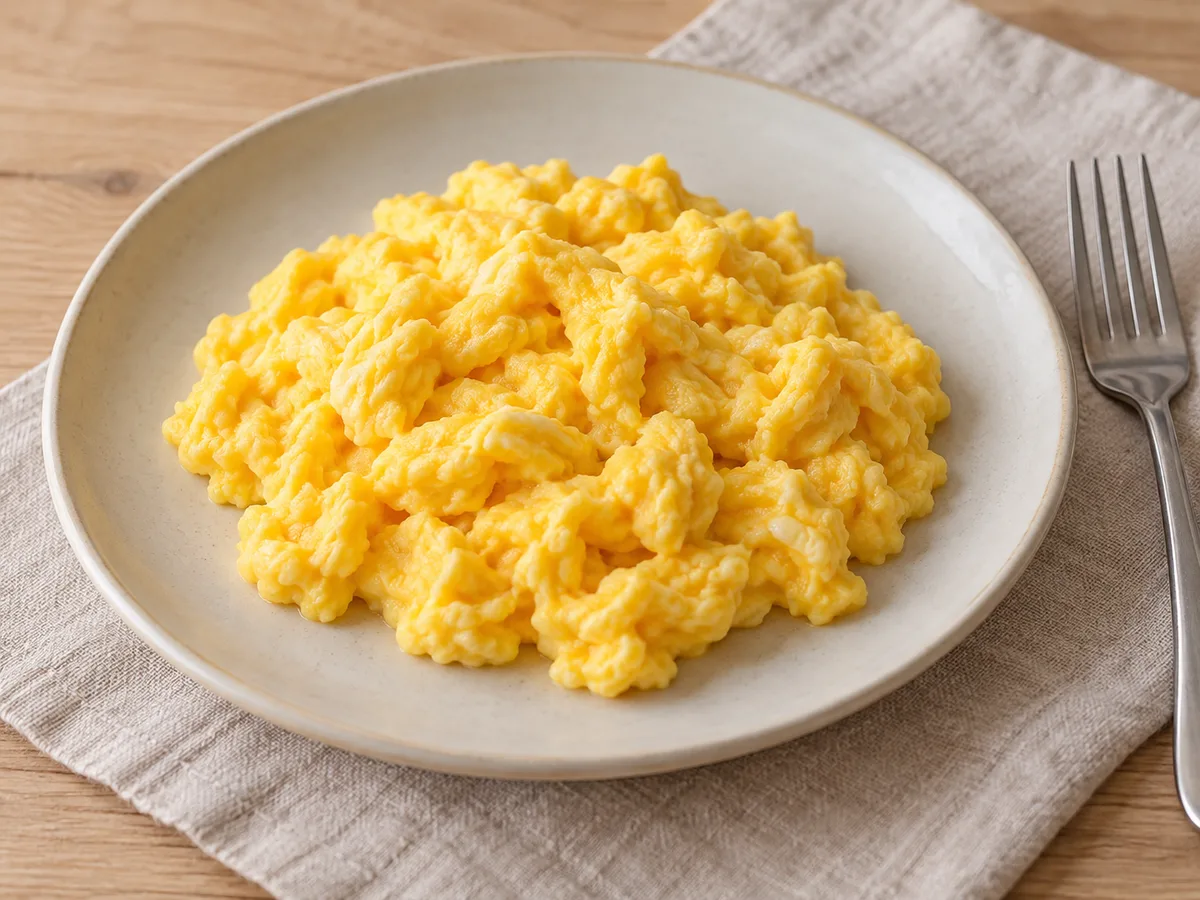 AI-generated
 AI-generated
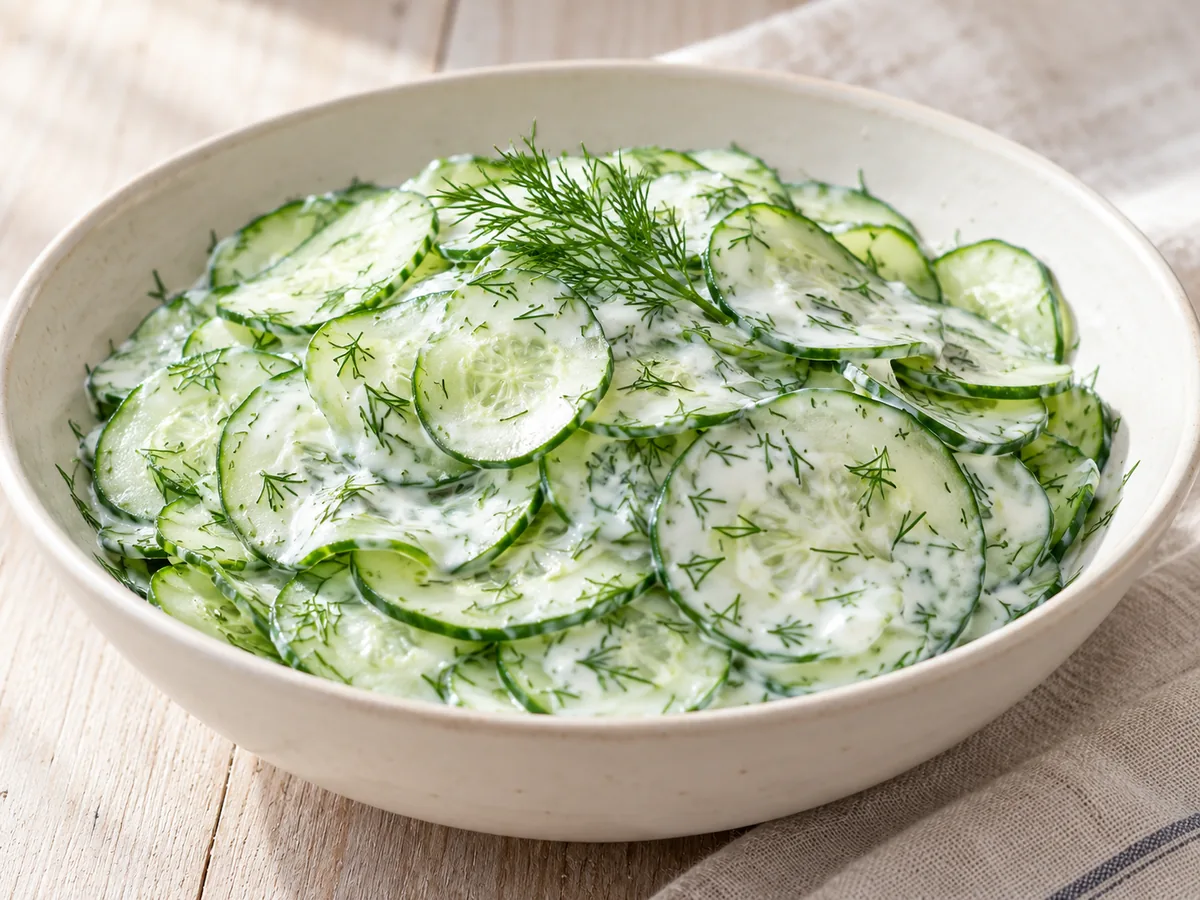 AI-generated
 AI-generated
 AI-generated
 AI-generated
 AI-generated
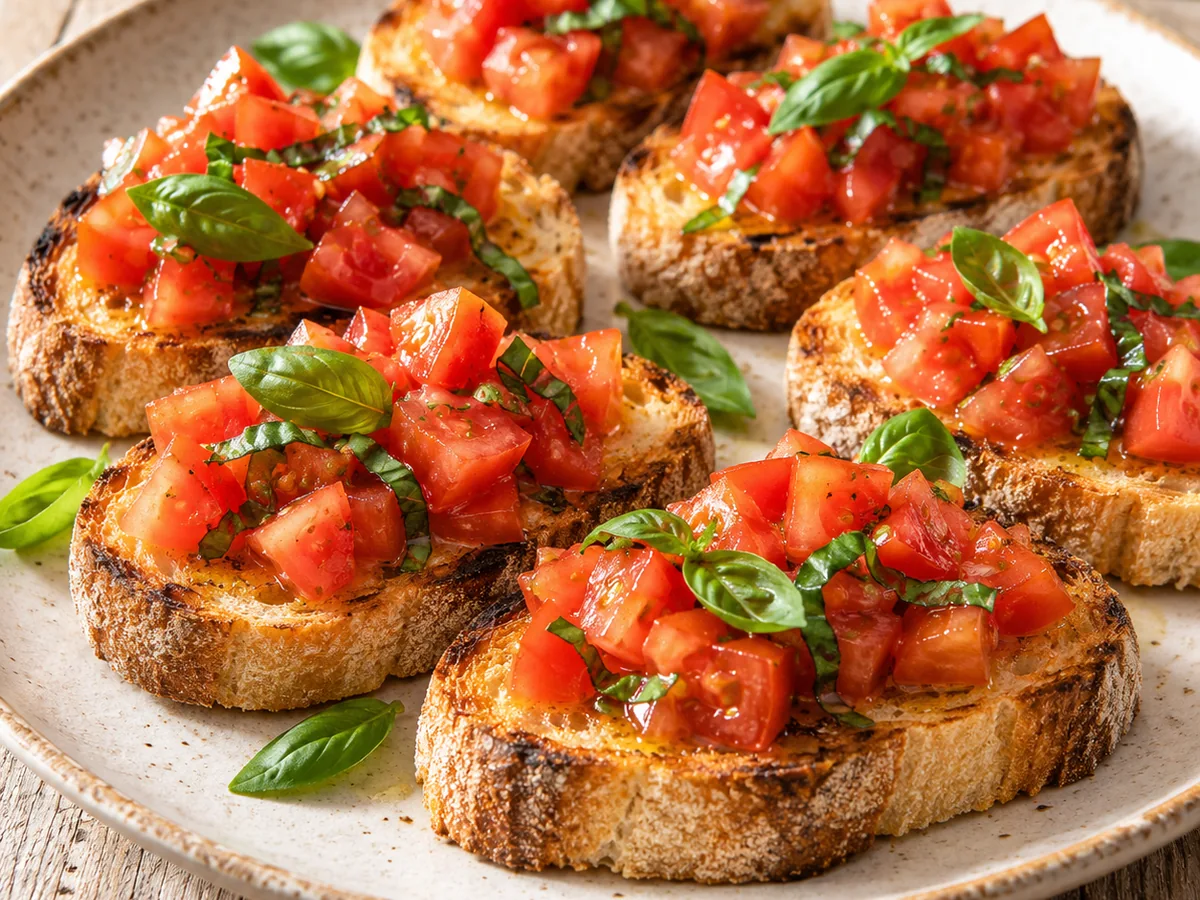 AI-generated
 AI-generated
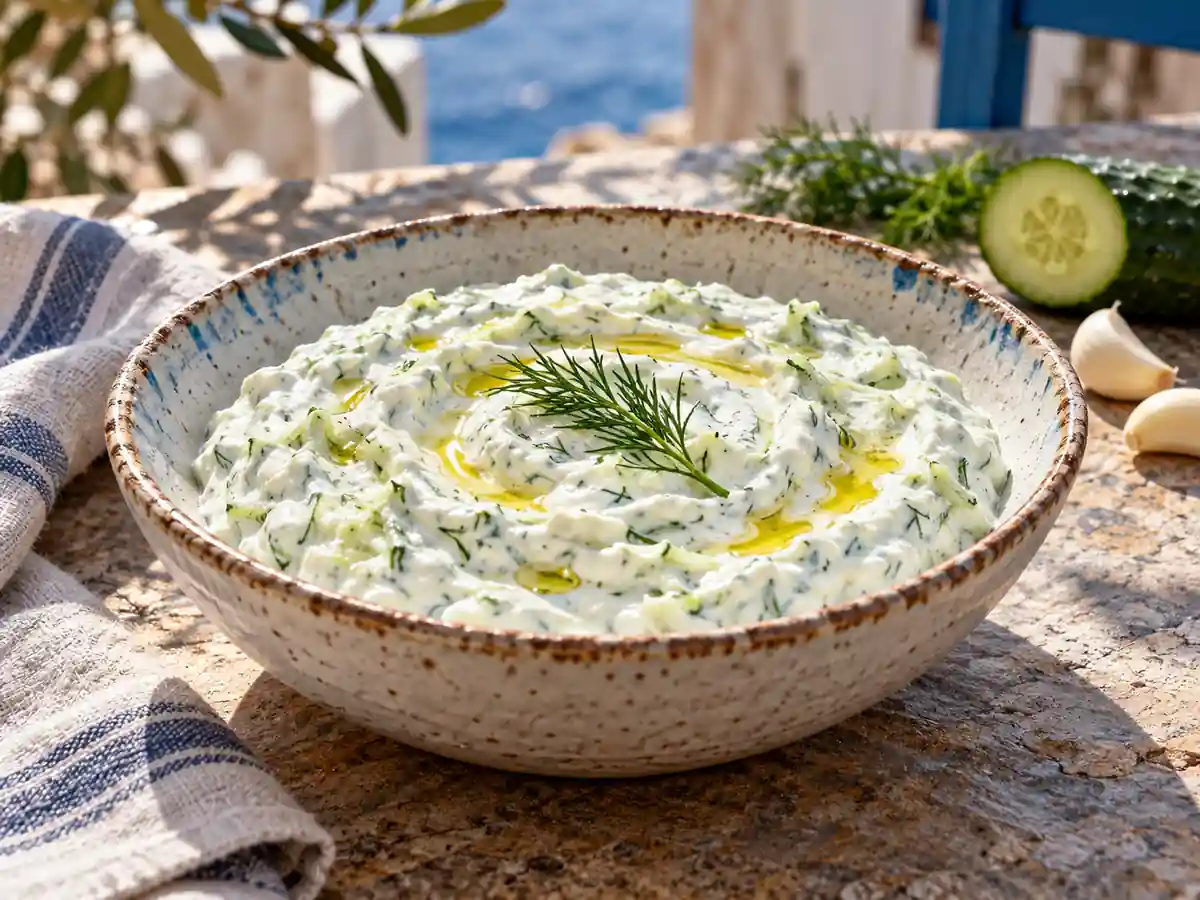 AI-generated
 AI-generated
 AI-generated
 AI-generated
 AI-generated
 AI-generated
Vegetarian
Vegetarian recipes contain no meat or fish.
Vegetables, eggs, dairy and pulses offer a broad range of mains, snacks and sides.
What makes a dish vegetarian?
Vegetarian food excludes meat and fish, but many vegetarian eating patterns include eggs or dairy products. This makes it distinct from vegan food, which excludes animal-derived ingredients more broadly. A recipe may emphasise vegetables, grains or pulses and still require careful checking of its stock, sauce or other components. The category includes everything from light lunches to substantial main courses and baked treats. When selecting, begin with the food you want to enjoy, then verify that the full set of ingredients respects the relevant dietary preference. Vegetarian is a useful classification, not a guarantee of one particular flavour.
Vegetarian meals can have many characters
Grains, vegetables, beans, lentils, eggs and dairy products create a broad range of vegetarian eating experiences. Some meals are rich and comforting, others fresh, tangy or delicately seasoned. Regional cuisines offer very different interpretations, and it would be misleading to describe vegetarian cooking as a single modern trend or an exclusively vegetable-only plate. A satisfying vegetarian dish can take centre stage at dinner instead of being merely a side without meat. The role of the ingredients and the tastes of the people eating are more useful guides than a general claim that all vegetarian meals are light.
Ingredients that may not be obviously vegetarian
Stocks and sauces can contain meat or fish even when their flavour does not dominate the dish. Certain cheeses may be made using animal rennet, while gelatine and some other ingredients are animal-derived. These details matter to people who follow a strict vegetarian diet. The word cheese or the presence of vegetables cannot answer every question about the complete composition. When choosing a recipe or purchased component, examine ingredients and relevant labelling. It is better to state uncertainty than to assign a vegetarian label based solely on how the food looks.
Vegetarian options for families and guests
At a shared meal, vegetarian choices should be complete and enjoyable rather than treated as a minor alternative to a meat-based main. Think about portions, contrasting flavours and whether other courses already provide similar ingredients. A vegetable-and-grain meal may meet one guest's preferences, while another may also need to avoid eggs, dairy, gluten or nuts. Vegetarian does not resolve those independent requirements. If you are cooking for others, ask what they actually eat and check any additional sauces or toppings. Clear choices make a table more inclusive without forcing everyone to adopt the same diet.
Does vegetarian mean healthy for everyone?
The vegetarian label describes which animal-derived ingredients are excluded, not the nutritional profile of the meal. A rich cheese-based dish and a vegetable-heavy bean meal can both be vegetarian despite differing substantially in composition. A classification alone cannot establish that a particular dish meets all nutritional needs. Personal health questions are better addressed through appropriate professional advice. For everyday selection, look at the actual vegetables, grains, dairy and other ingredients rather than broad claims that every vegetarian food is automatically balanced or suitable for a particular medical condition.
Not every cheese follows the same rules
Cheese production methods differ, and some cheeses use animal-derived rennet while others use microbial or vegetarian-suitable alternatives. A dish containing cheese should therefore not automatically be labelled vegetarian without considering the specific ingredient. Egg and dairy use also separates many vegetarian dishes from vegan ones. When browsing, examine the whole recipe rather than relying on the title or familiar appearance. The category is most trustworthy when it accurately describes restrictions, recognises variations in personal practice and keeps unrelated allergen or gluten claims separate.
Explore all recipes
ⓘ Ratings come exclusively from approved community contributions.