

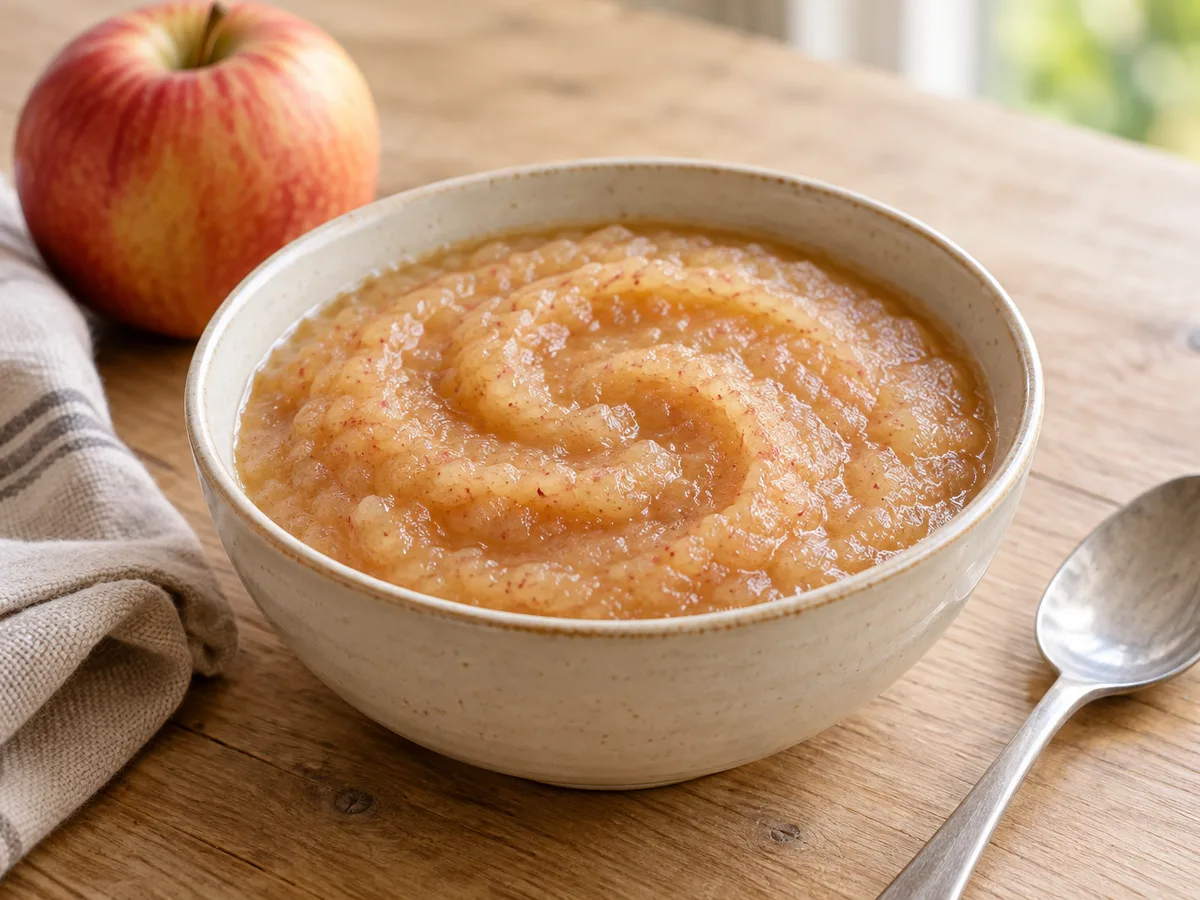
 AI-generated
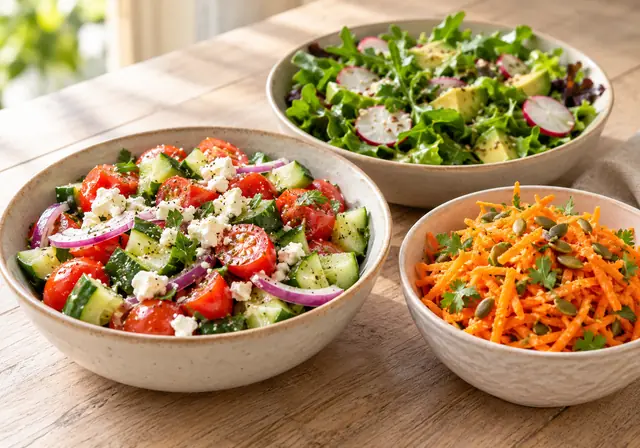 AI-generated
 AI-generated
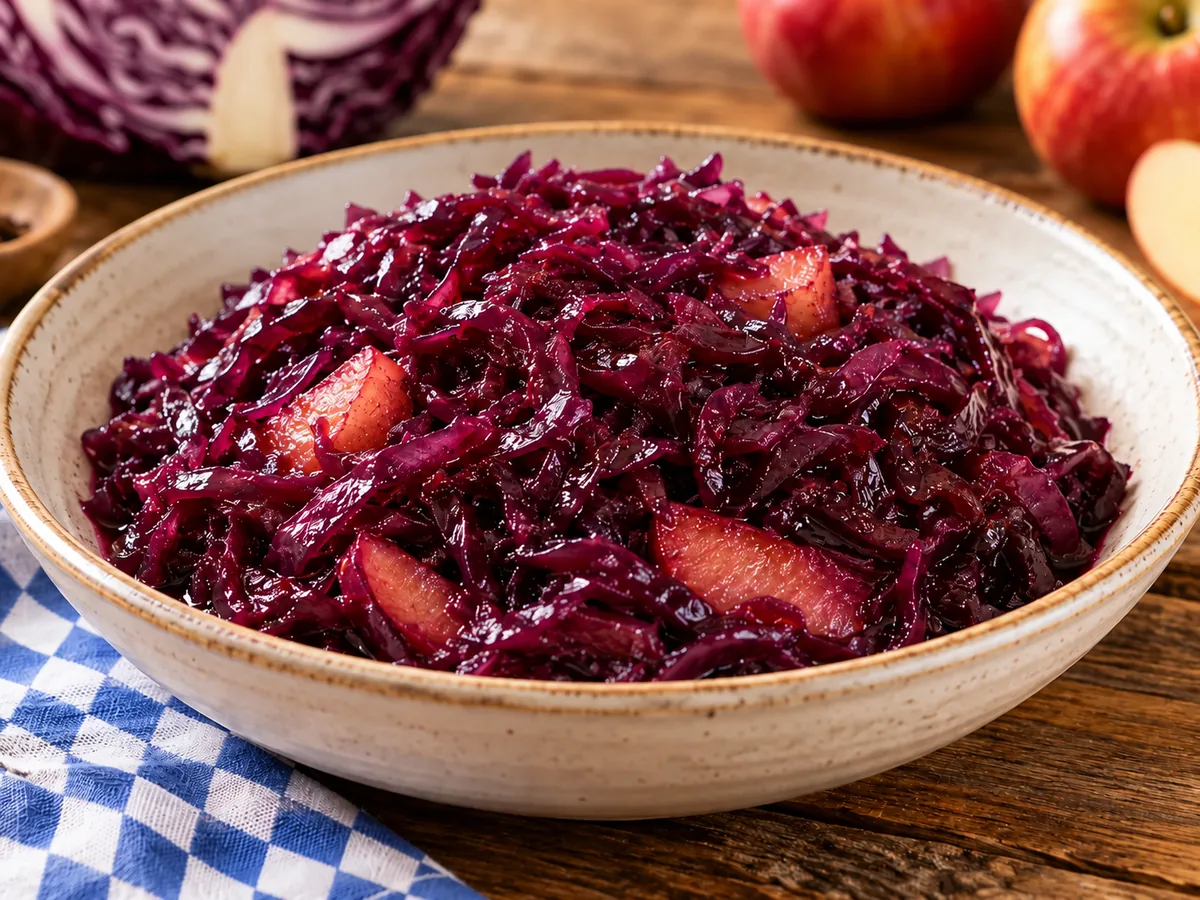 AI-generated
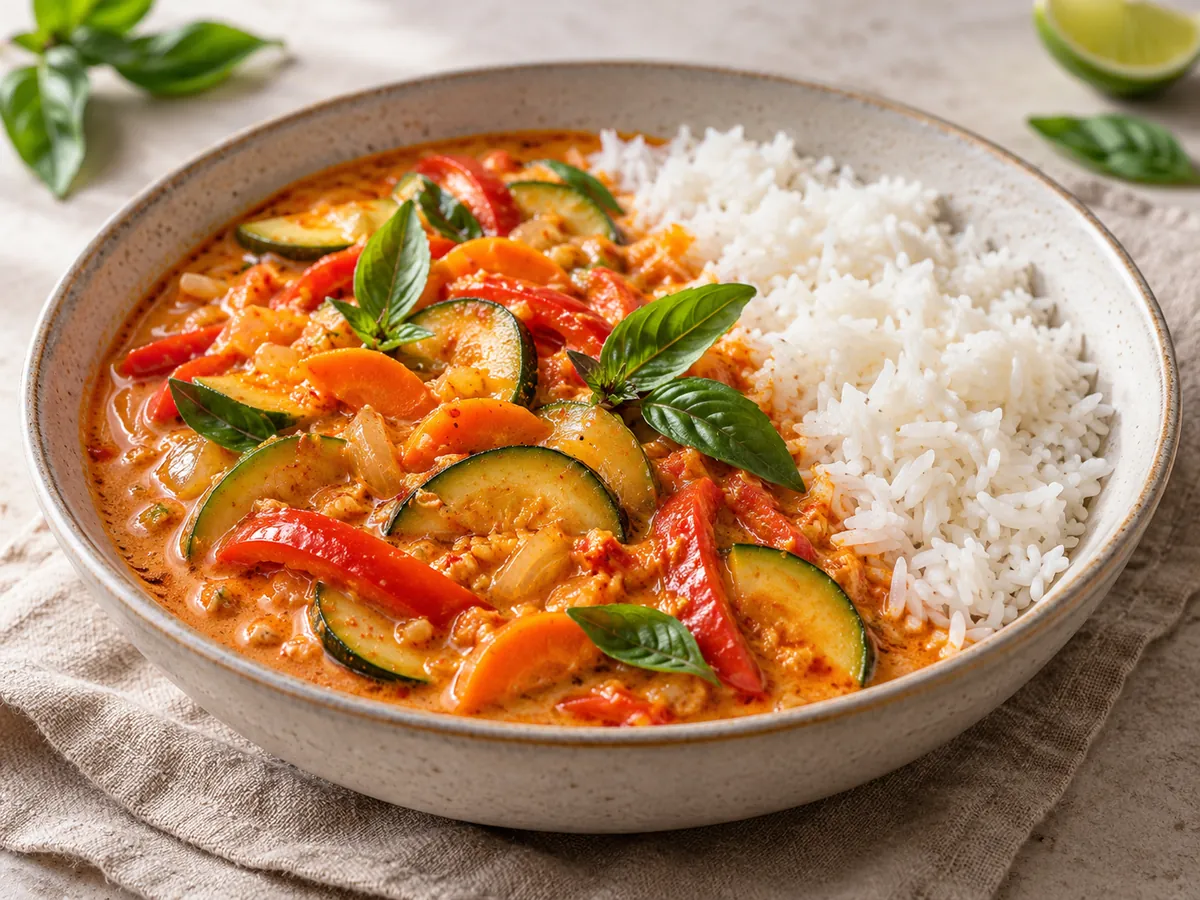 AI-generated
 AI-generated
 AI-generated
 AI-generated
 AI-generated
 AI-generated
 AI-generated
 AI-generated
 AI-generated
 AI-generated
 AI-generated
 AI-generated
 AI-generated
 AI-generated
 AI-generated
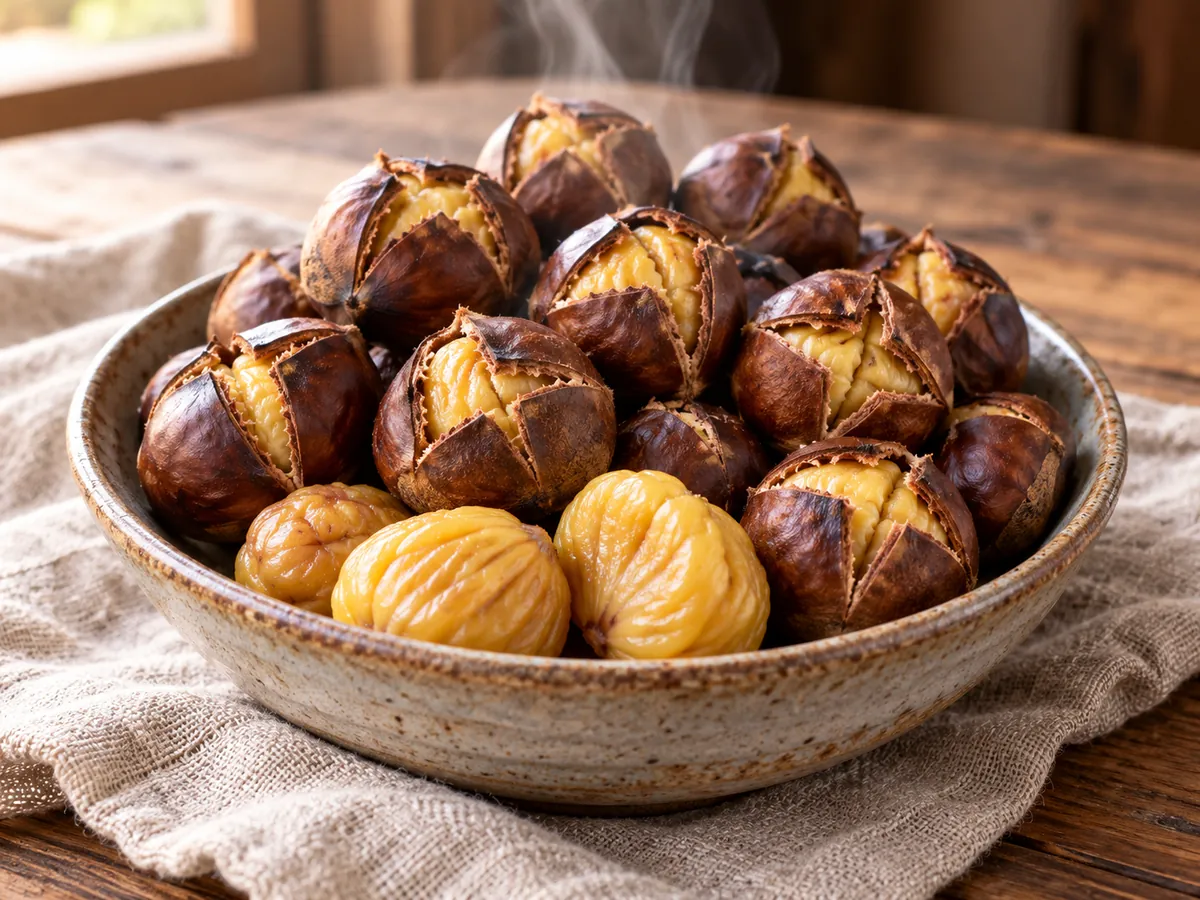 AI-generated
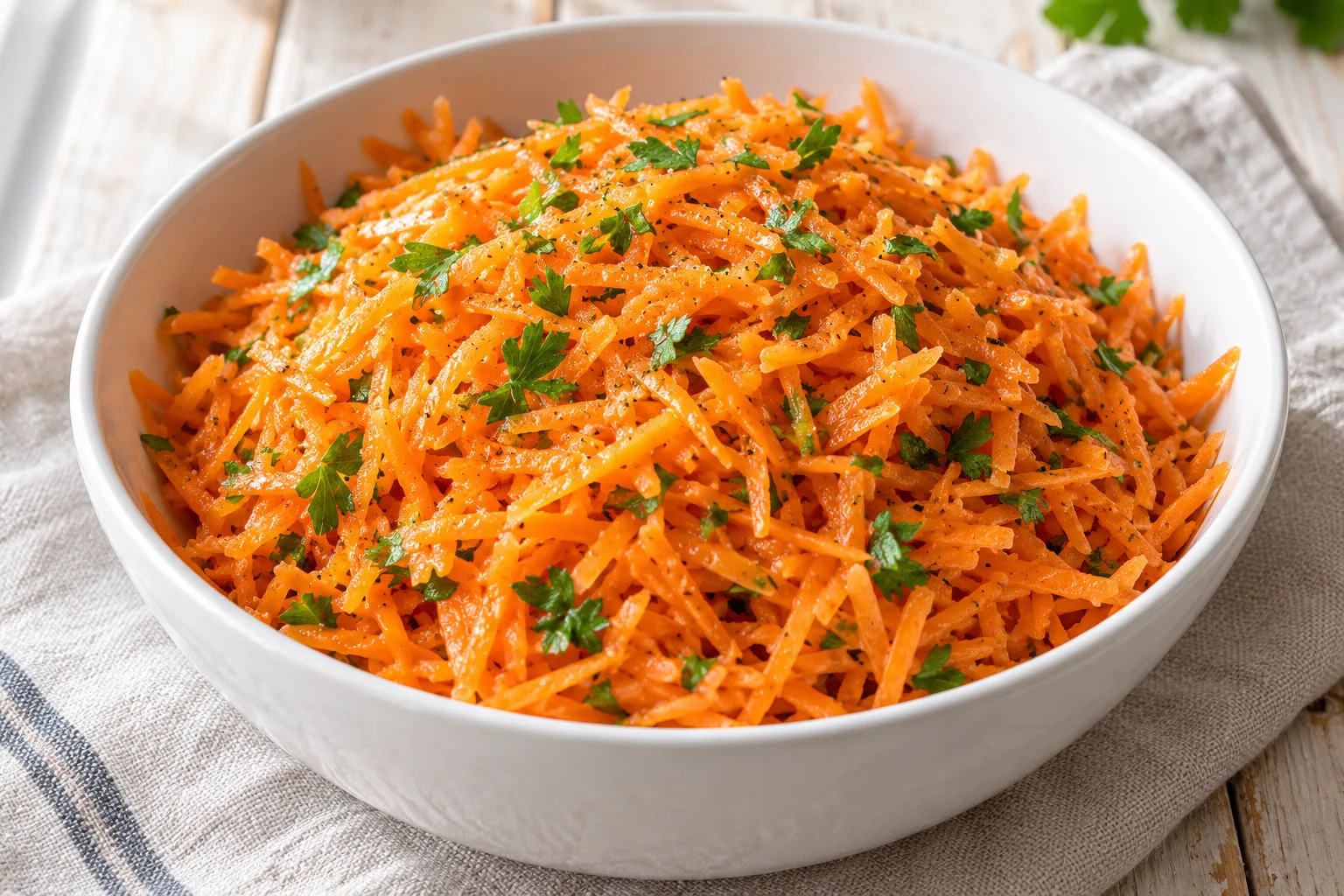 AI-generated
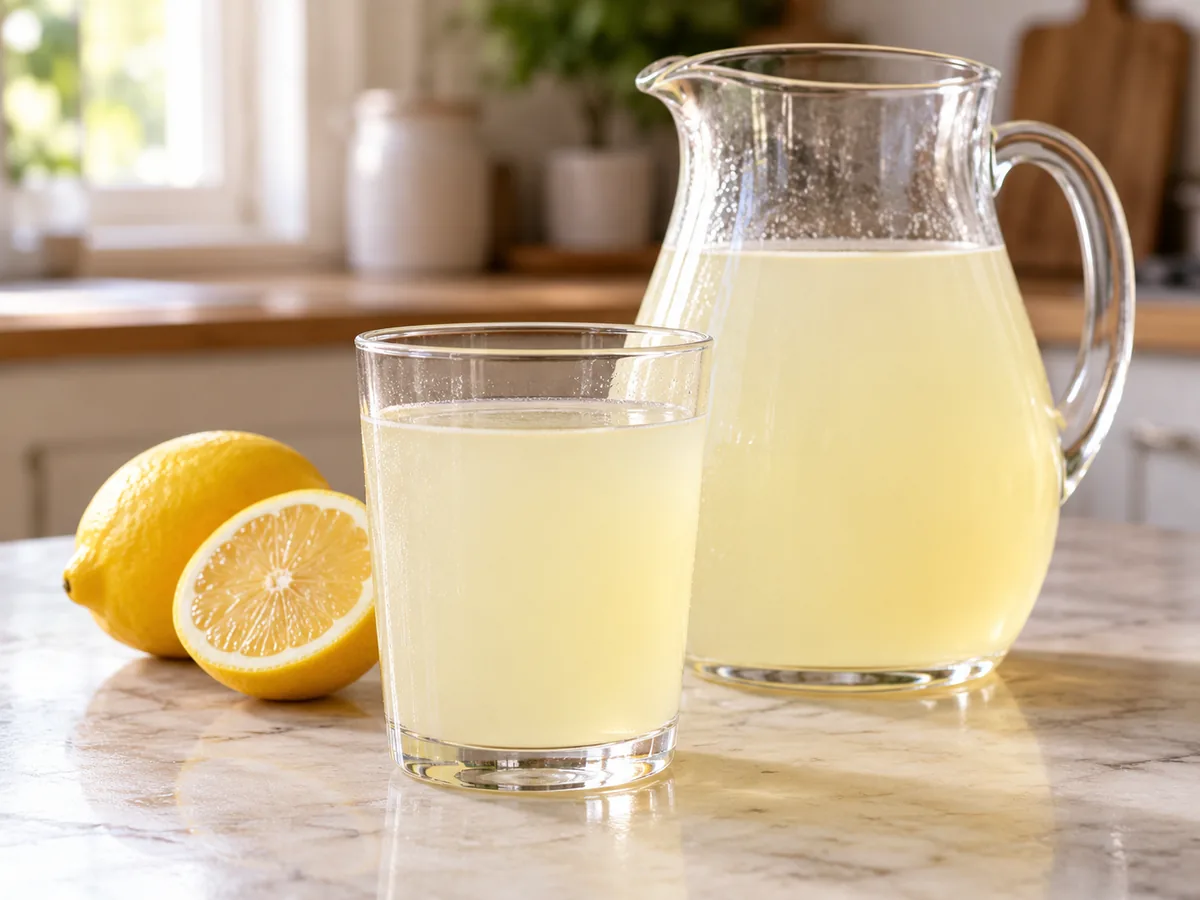 AI-generated
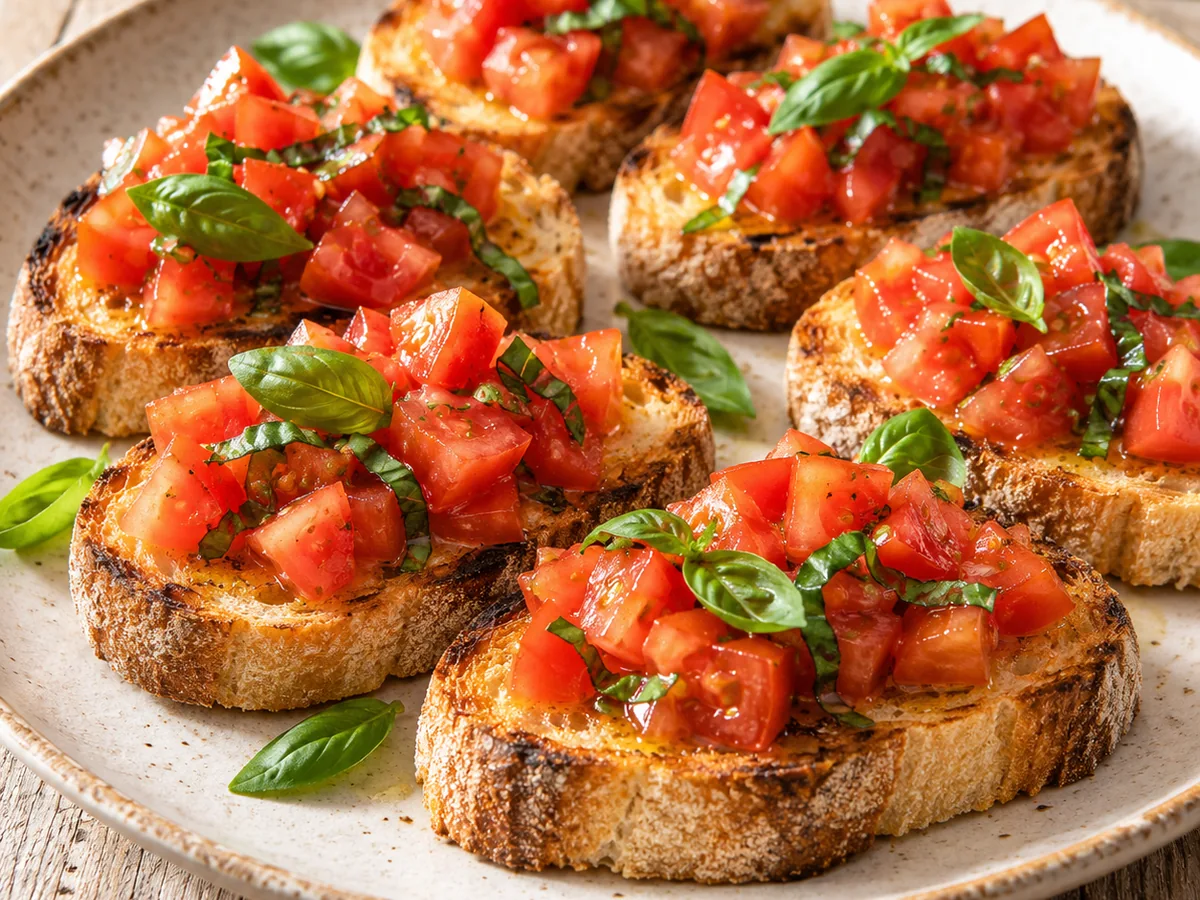 AI-generated
 AI-generated
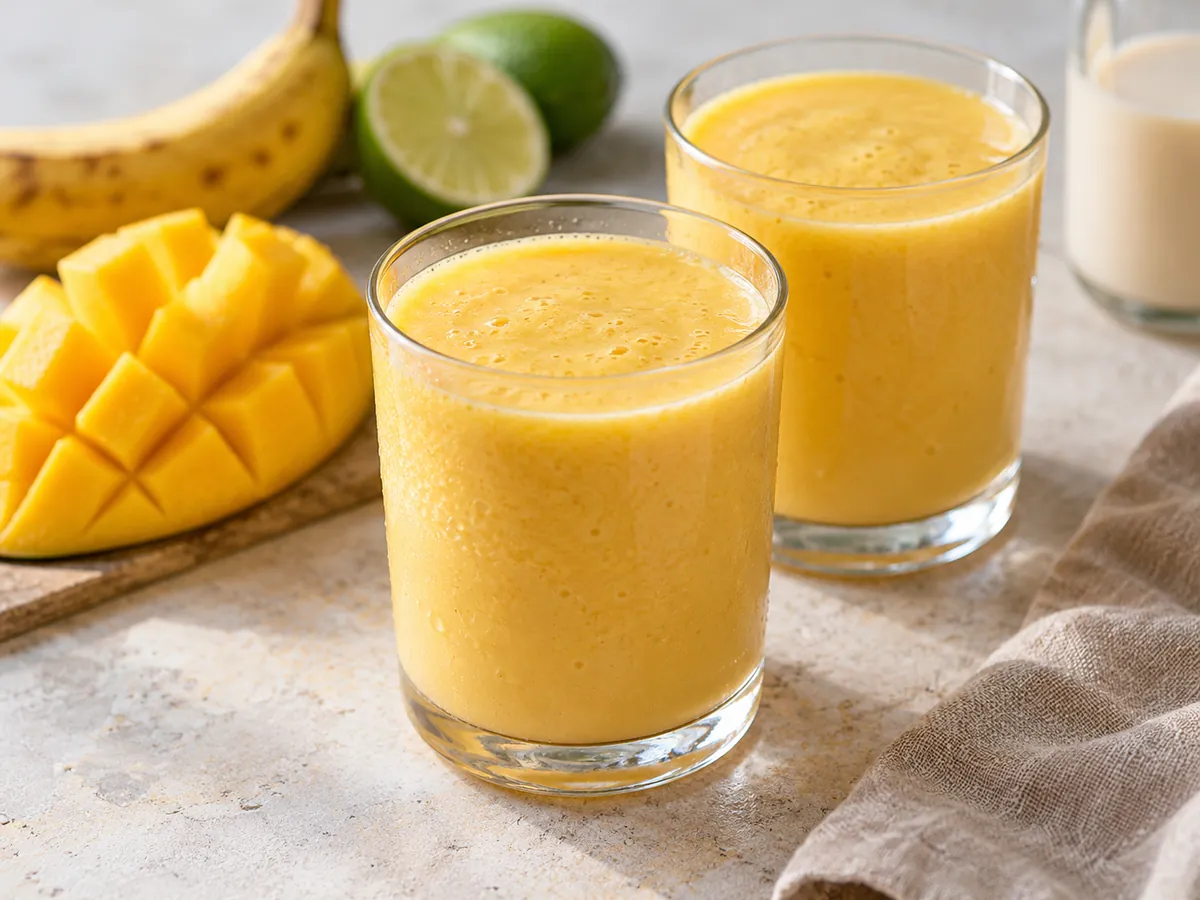 AI-generated
 AI-generated
Vegan
Vegan dishes leave out animal ingredients and celebrate vegetables, pulses and grains.
Always check the precise recipe ingredients for suitability.
Vegan food excludes animal-derived ingredients
A vegan recipe does not use meat, fish, eggs, dairy, honey or other animal-derived ingredients. That definition is about the full composition of the food, not simply the presence of vegetables. Many ordinary ingredients can form satisfying vegan meals, including grains, pulses, vegetables, fruit, nuts and seeds. A vegetable-focused dish is not necessarily vegan if it contains cheese, butter or an animal-based stock. When exploring a vegan category, consider what kind of meal you want as well as the ingredient restriction. A hearty main course, a simple side and a festive dessert can each be vegan in quite different ways.
Plant-based food has its own variety
Vegan cooking is not limited to products designed to imitate meat or dairy. Many established food cultures contain plant-based dishes that centre on beans, lentils, grains and vegetables. Their flavours may be mild, aromatic, earthy or strongly spiced. The category is most useful when it helps you compare those characteristics without pretending that vegan food belongs to one cuisine or tastes one way. A meal can be built around naturally plant-based ingredients and still be satisfying in its own right. Culinary appeal comes from the actual foods, not a promise that everything must resemble an animal-derived product.
Watch for animal ingredients that are easy to miss
Gelatine, certain cheeses, stocks, honey and some sauces can introduce animal-derived ingredients unexpectedly. A dish with a vegetable-based appearance may therefore fail to meet vegan requirements once its dressing or optional accompaniment is included. Read the complete ingredient list and check the labels of purchased components where necessary. Foods associated with one cuisine or a general healthy-eating label cannot be assumed vegan. Clear descriptions should distinguish genuinely plant-based components from ingredients whose source is uncertain. If serving guests, confirm that the entire meal, including sides and toppings, respects their requirements.
Choose vegan dishes for shared meals
A vegan option can be a welcome part of a mixed table when it is planned as an appealing dish rather than an afterthought. Consider flavour, portion size and the other foods being served. A vegetable-led meal may already contain everything it needs, while another dish might benefit from grains or legumes. Guests can have additional requirements unrelated to vegan eating, including nut allergies or gluten avoidance. Being vegan does not make food automatically free from those ingredients. Asking about needs and supplying accurate information is more useful than relying on a single dietary badge.
Does vegan automatically mean nutritionally balanced?
Vegan describes the absence of animal-derived ingredients, not the nutritional quality of a dish. A sweet treat may be vegan without serving the same role as a meal rich in vegetables and pulses. Individual nutritional needs vary, and a sustained vegan diet may require particular attention to nutrients such as vitamin B12. A recipe category should not offer medical or dietary guarantees. Instead, use it to compare the actual ingredients and type of food, and seek qualified advice for personal nutrition questions. Clear classification is helpful; broad promises of optimal health would be misleading.
Check every component, not just the main dish
The classification of a composed meal depends on everything served with it. A plant-based main course can cease to be vegan when combined with a dairy sauce, egg-based topping or animal-derived accompaniment. Similar questions apply to packaged ingredients whose processing or additives are not clear from a familiar name. It is important to distinguish vegan from vegetarian, because vegetarian food may contain milk or eggs. Neither label establishes gluten-free or allergy-safe status. A reliable recipe provides an accurate picture of the complete meal so readers can make a choice that suits their values and requirements.
Explore all recipes
ⓘ Ratings come exclusively from approved community contributions.