

 AI-generated














International
International recipes make room for favourites from many countries.
Curry, pasta, soups and snacks show the range of flavours shared worldwide.
International food celebrates variety, not one style
The international category brings together culinary influences that do not fit neatly into a single regional collection. It is not a cuisine with one flavour, set of ingredients or shared history. The foods may draw from several traditions, present a modern interpretation or simply belong to a part of the world beyond familiar local choices. What makes the collection useful is the opportunity to compare different kinds of meals. Start with the taste, ingredients and occasion you have in mind rather than expecting a unified international style.
Recognise origins without oversimplifying them
Many foods travel through migration, trade, family life and cultural exchange. A dish may have several related traditions or be adapted for ingredients available in a different place. Those changes are part of living food culture, but they should be described accurately. An internationally inspired combination is not automatically an authentic representation of any one country. Where origin is known, a precise description is preferable to vague labels such as exotic. Where it is uncertain, explaining the flavours and ingredients is more useful than inventing a cultural backstory.
Compare ingredients, textures and tastes
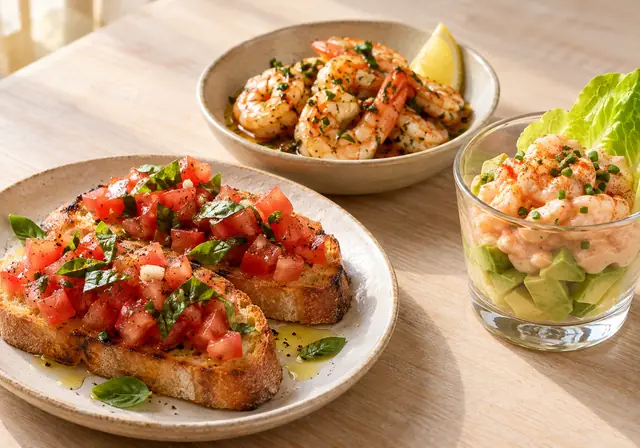
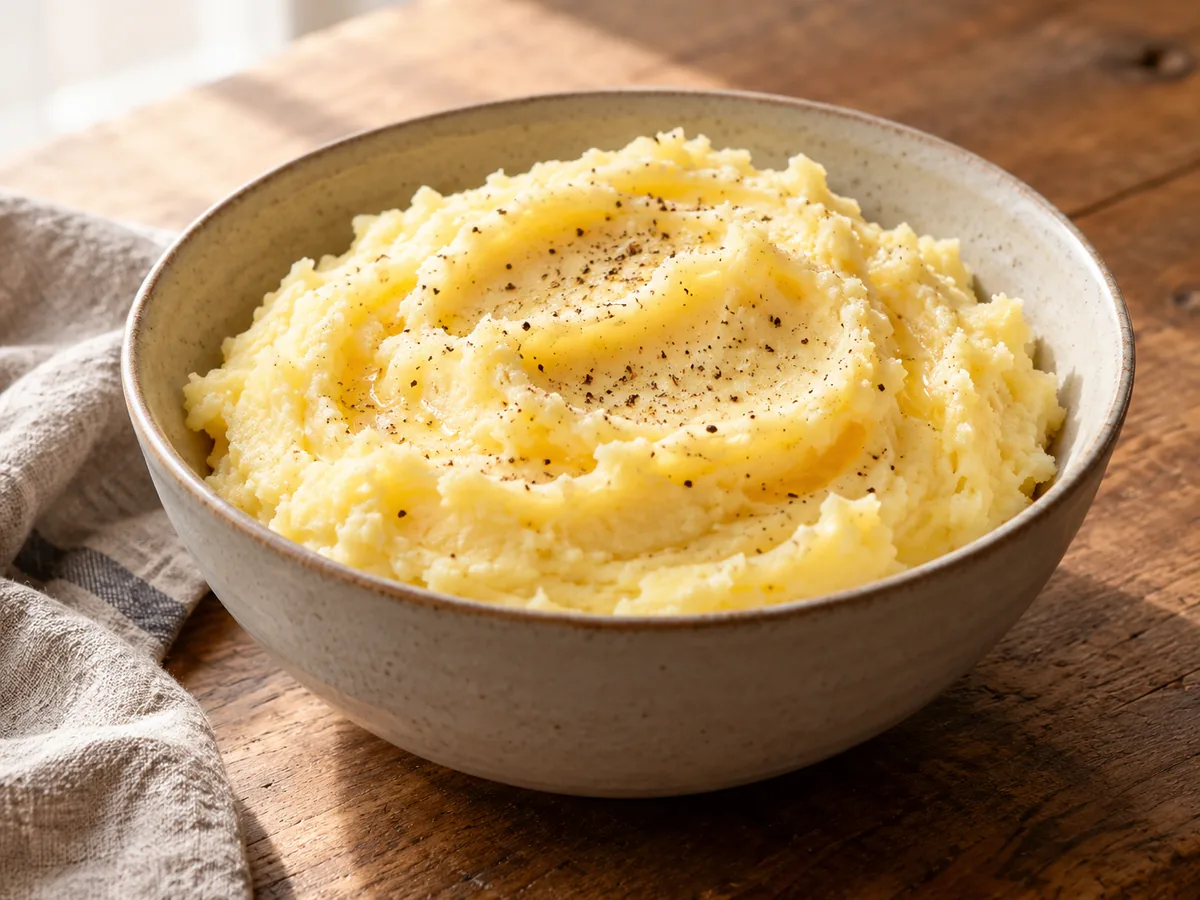
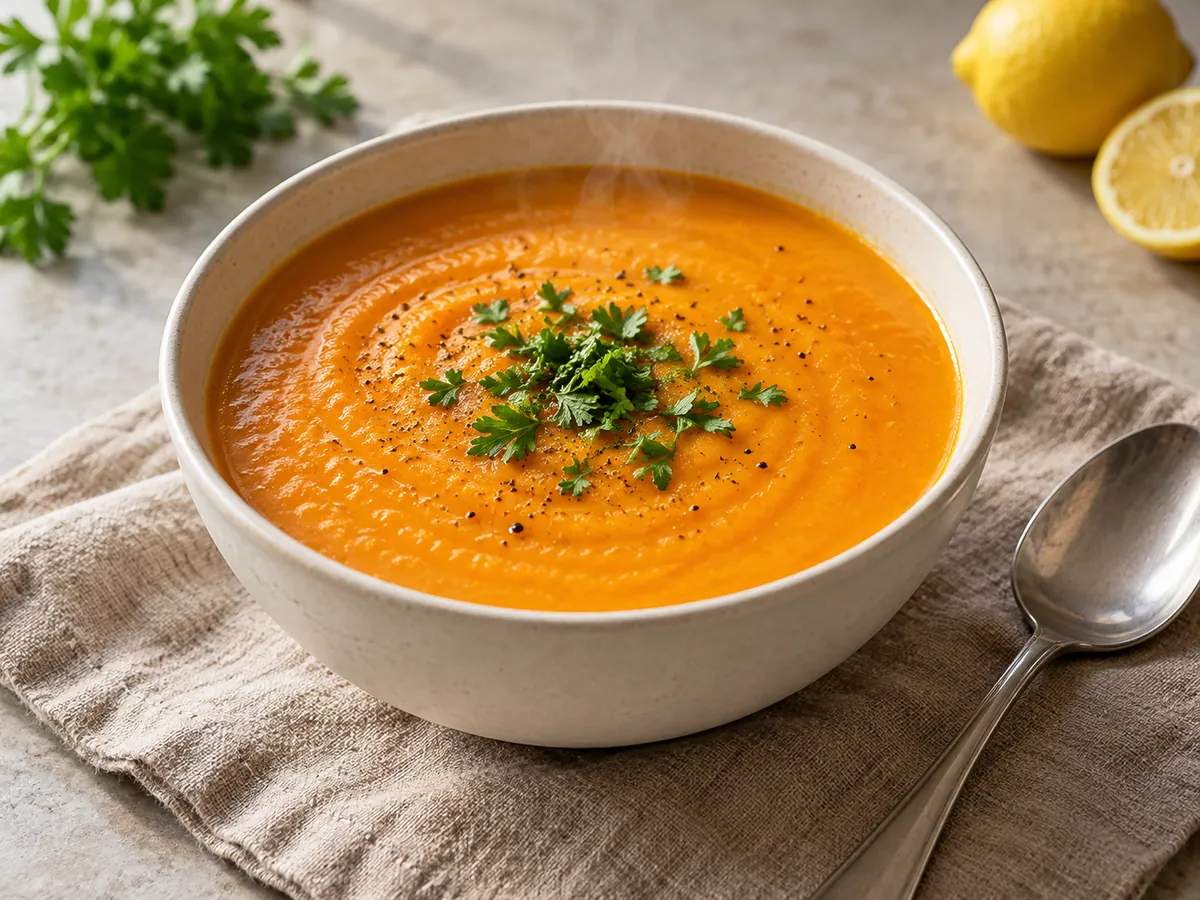
International meals can range from gentle vegetable dishes to bold savoury combinations, fragrant grain-based foods, soups, baked goods and sweet desserts. The variety is so broad that the category name alone says little about the eating experience. Pay attention to the main ingredients, any sauces, the level of spice and whether the texture is crisp, soft or creamy. A meal for a busy weekday may need different characteristics from a buffet for friends. Thinking in these concrete terms helps make an otherwise wide collection manageable.
Make a varied menu feel coherent
Choosing several dishes from different food traditions can create a memorable table, but more regions do not automatically mean a better meal. Consider whether flavours complement one another, whether the portions make sense together and whether guests can identify what is being served. A fresh vegetable side may balance a rich main, while a milder dish can offer contrast to strongly seasoned options. Present each component respectfully and avoid decorative cultural clichés. The goal is enjoyable food and meaningful variety, not a tour of every country on a single plate.
Dietary needs apply across borders
A dish with plenty of vegetables is not necessarily vegetarian or vegan, and a rice-based meal may still contain gluten in a seasoning or sauce. Nuts, sesame, dairy, eggs, fish and other allergens appear in different culinary traditions, sometimes in ingredients that are hard to spot from a title. Read the complete recipe, including optional toppings and accompaniments, before deciding whether it meets someone's needs. Use the international collection to explore unfamiliar tastes while relying on specific ingredient information rather than broad claims about which cuisines are naturally healthy or universally suitable.
Explore all recipes
ⓘ Ratings come exclusively from approved community contributions.